
Insights & Innovation in Anaerobic Digestion
Expert commentary, case studies and practical guidance from the BIOCON Group team. From operational tips to industry trends, our Insights help you stay ahead in the renewable energy sector.
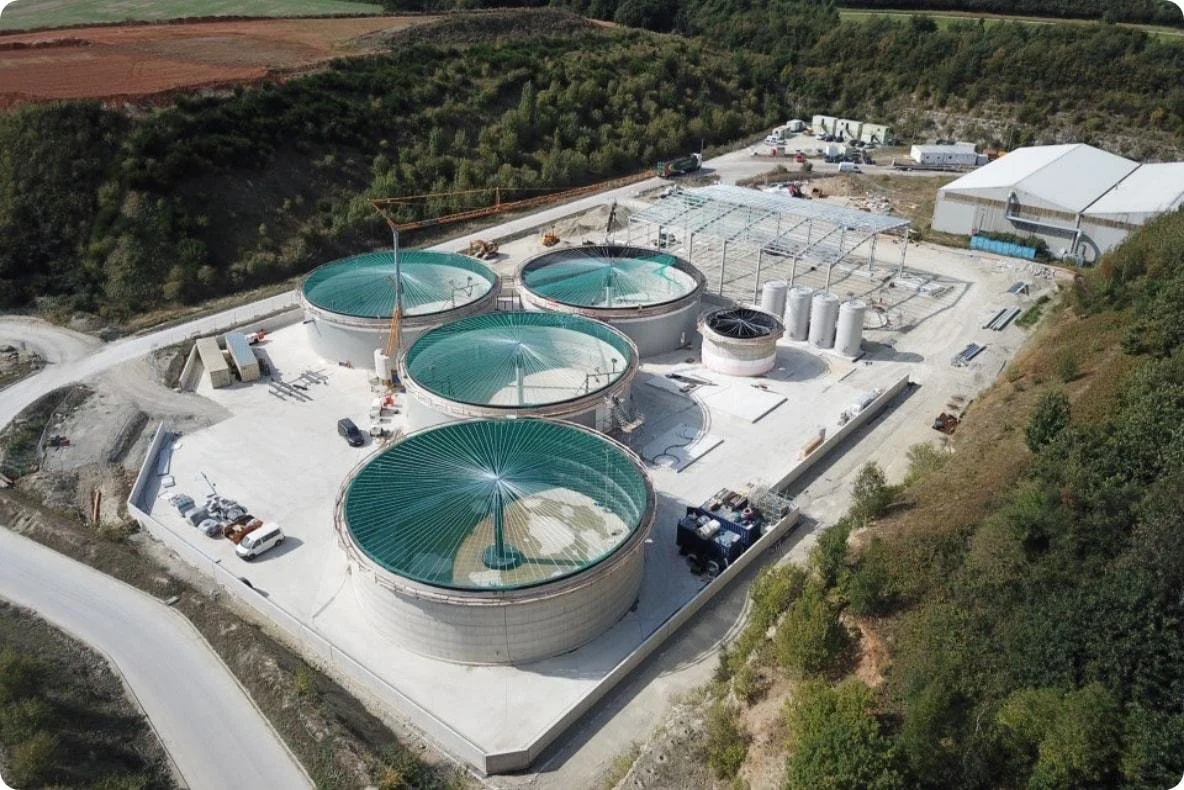
Ammonia Inhibition in Anaerobic Digestion: Is It Silently Sabotaging Your Biogas Plant Performance?
Is ammonia inhibition destroying your biogas yields? Learn to identify the warning signs, optimise your feedstock management, and implement proven strategies to prevent costly process failures. Protect your plant's performance and maximise methane production.
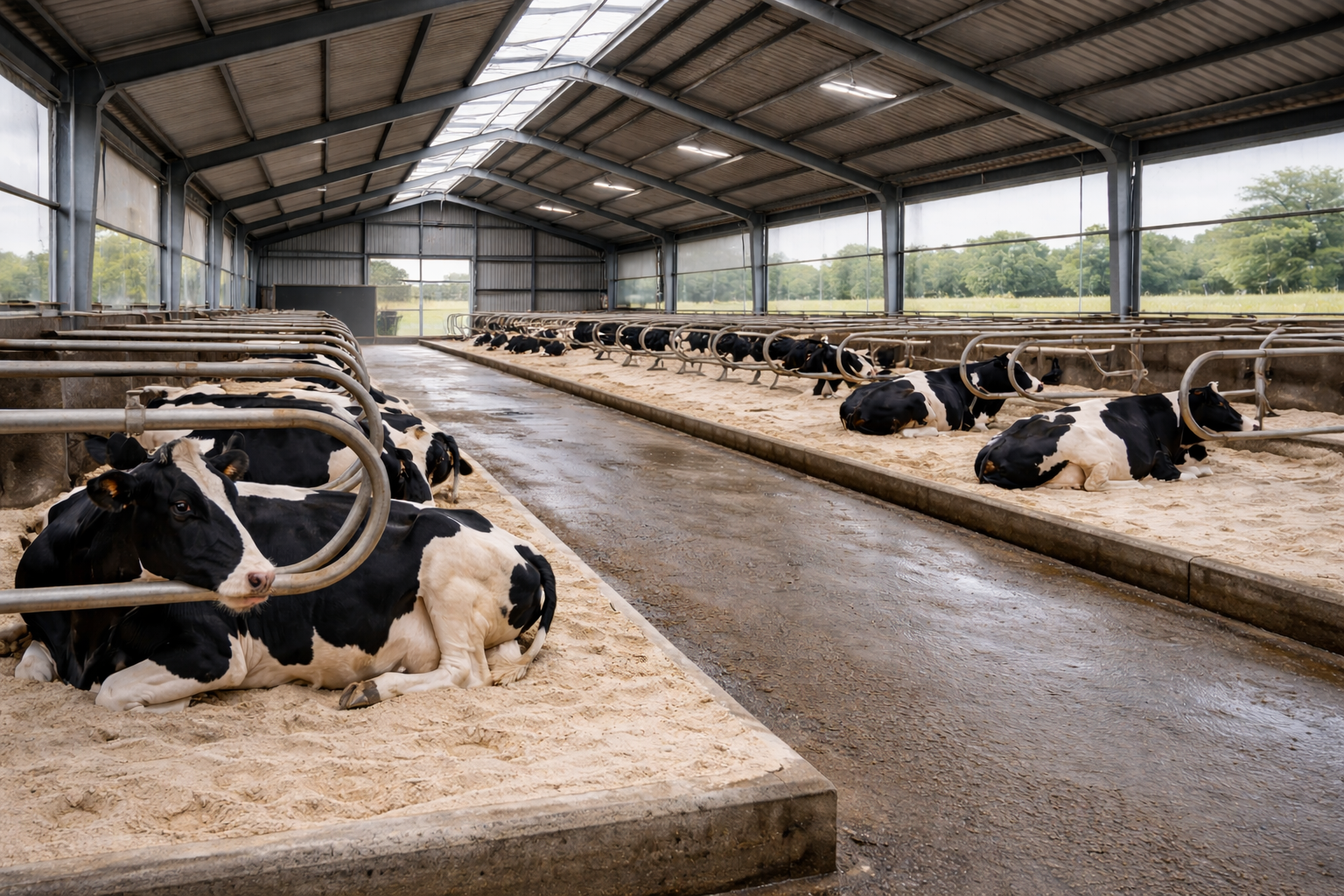
Sand Bedding and Anaerobic Digestion. How to Handle Sand-Manure in Biogas Plants
Sand bedding is brilliant for cow comfort, but it can be brutal on pumps, pipes, and digesters. Here’s how UK and European farms can separate sand, stabilise performance, and keep biogas production reliable.
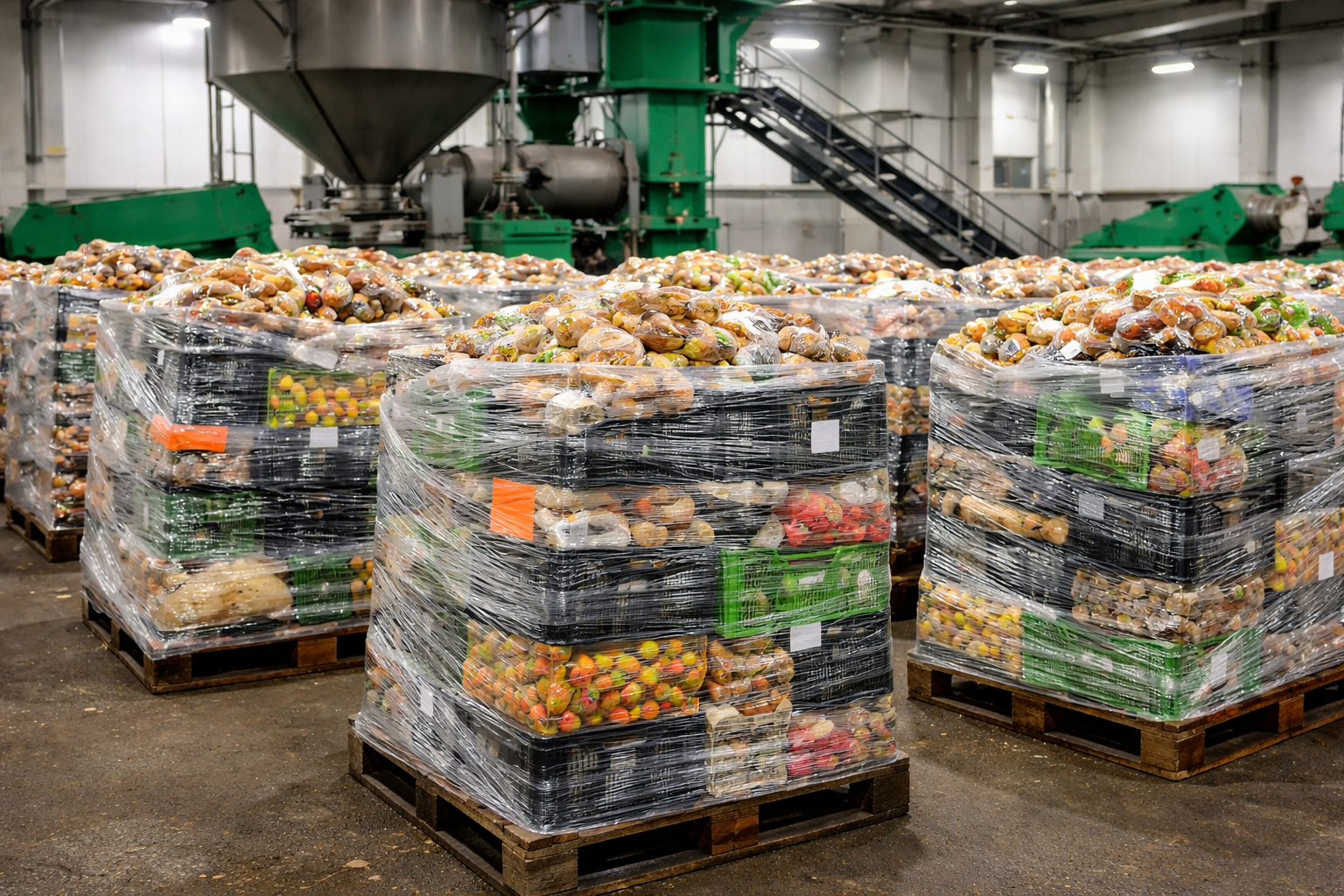
Depackaging Food Waste: How Anaerobic Digestion Turns Packaged Waste into Biogas
Packaged food waste is full of energy, but plastics and contamination often stop it being used effectively. Depackaging solves this by separating organic material from packaging, producing a clean slurry suitable for anaerobic digestion and biogas production.

Christmas Trees, Food Waste and Anaerobic Digestion: Turning Festive Waste into Biogas
During the festive season, the UK sees a spike in organic waste – from mountains of leftover food to thousands of discarded Christmas trees. But these holiday leftovers don’t need to go to waste. Anaerobic digestion (AD) can recycle much of this seasonal biomass into renewable energy (biogas) and organic fertiliser.
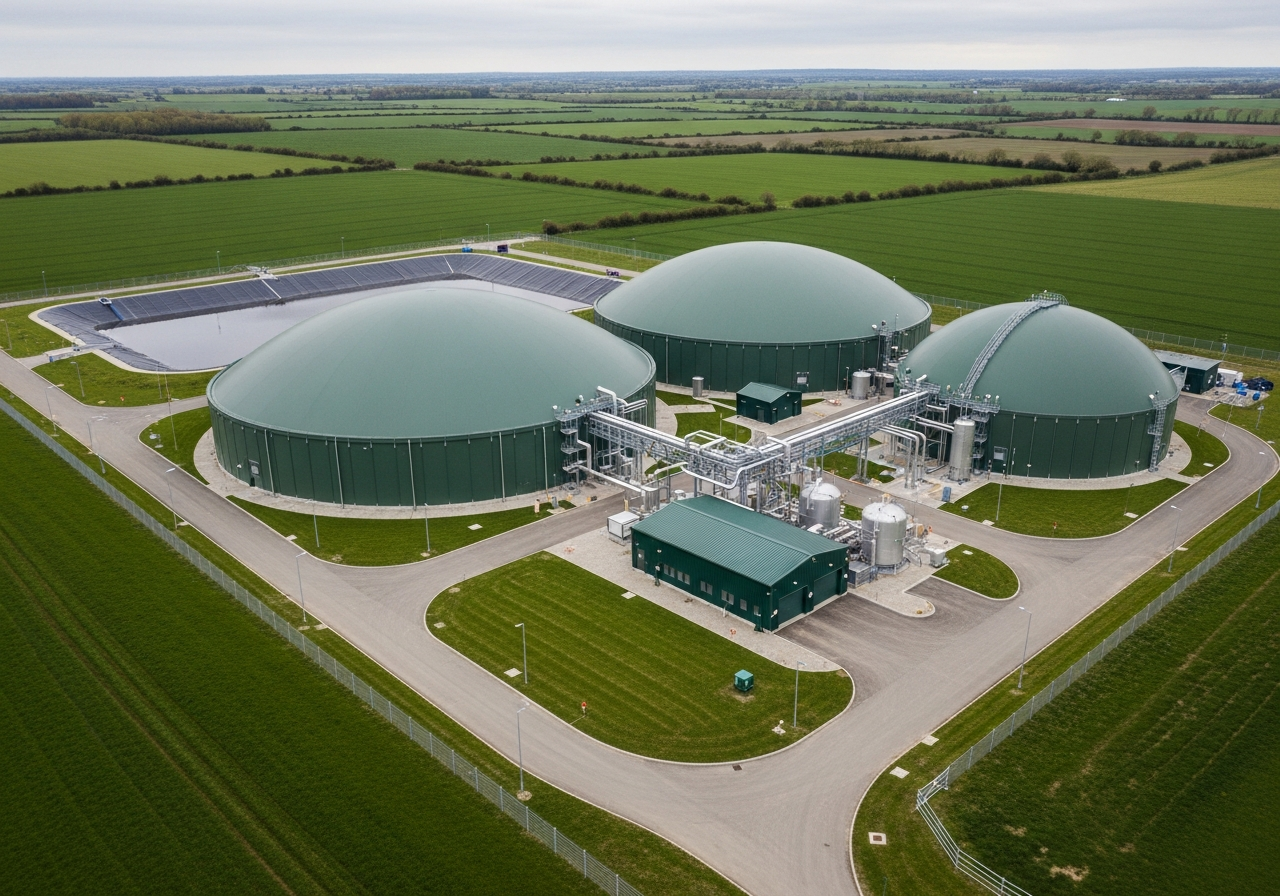
PAS 110 and the new digestate rules. What AD operators need to know
The rules around PAS 110 and digestate End of Waste have changed in England, with the Anaerobic Digestate Quality Protocol withdrawn and a new Resource Framework in place. This article explains what has changed, how the tighter plastics limits and new storage rules affect AD operators, and the practical steps you can take to stay compliant and protect revenue.
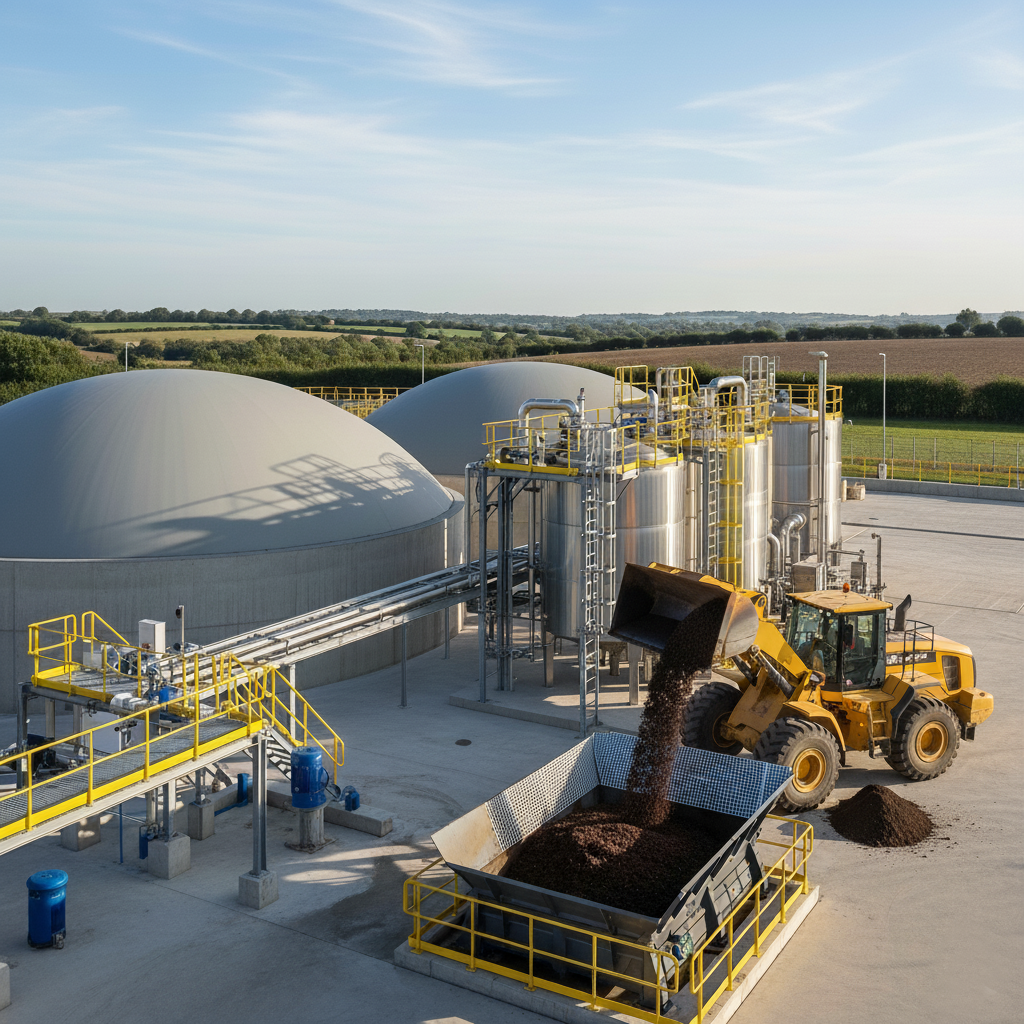
Solid Feeding in Anaerobic Digestion: What is it? When to use it, and how to run it
A practical guide to solid feeding in anaerobic digestion. What it is, when to use it, and how to run it well. Explore equipment choices, TS targets, dosing patterns, mixing, and troubleshooting. Get real-world tips for silage and food waste, protect stability, lift gas yield, and keep digestate markets open with PAS 110-aligned practice.
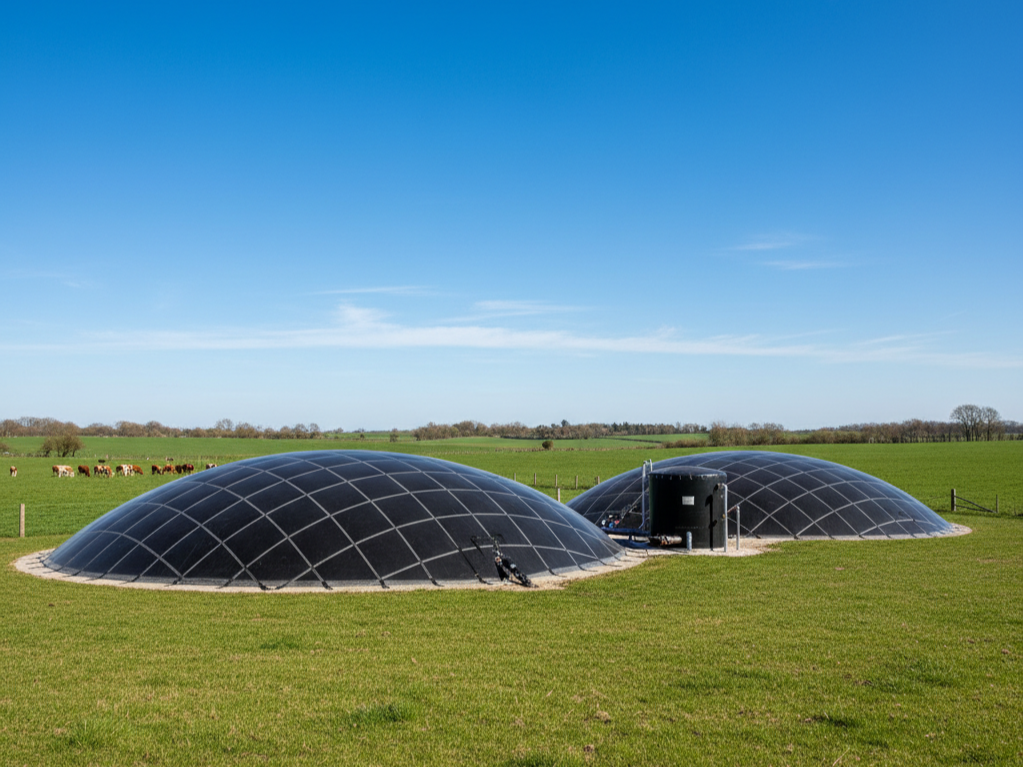
Slurry-fed Anaerobic Digestion on UK farms: opportunities, challenges and how to make it work
Slurry-fed anaerobic digestion is transforming how UK farms manage waste and energy. With policy support and smarter nutrient use, it’s now one of the most accessible routes to on-farm renewable energy. This guide explores the opportunities, challenges, and practical steps to make slurry AD work profitably for your business.
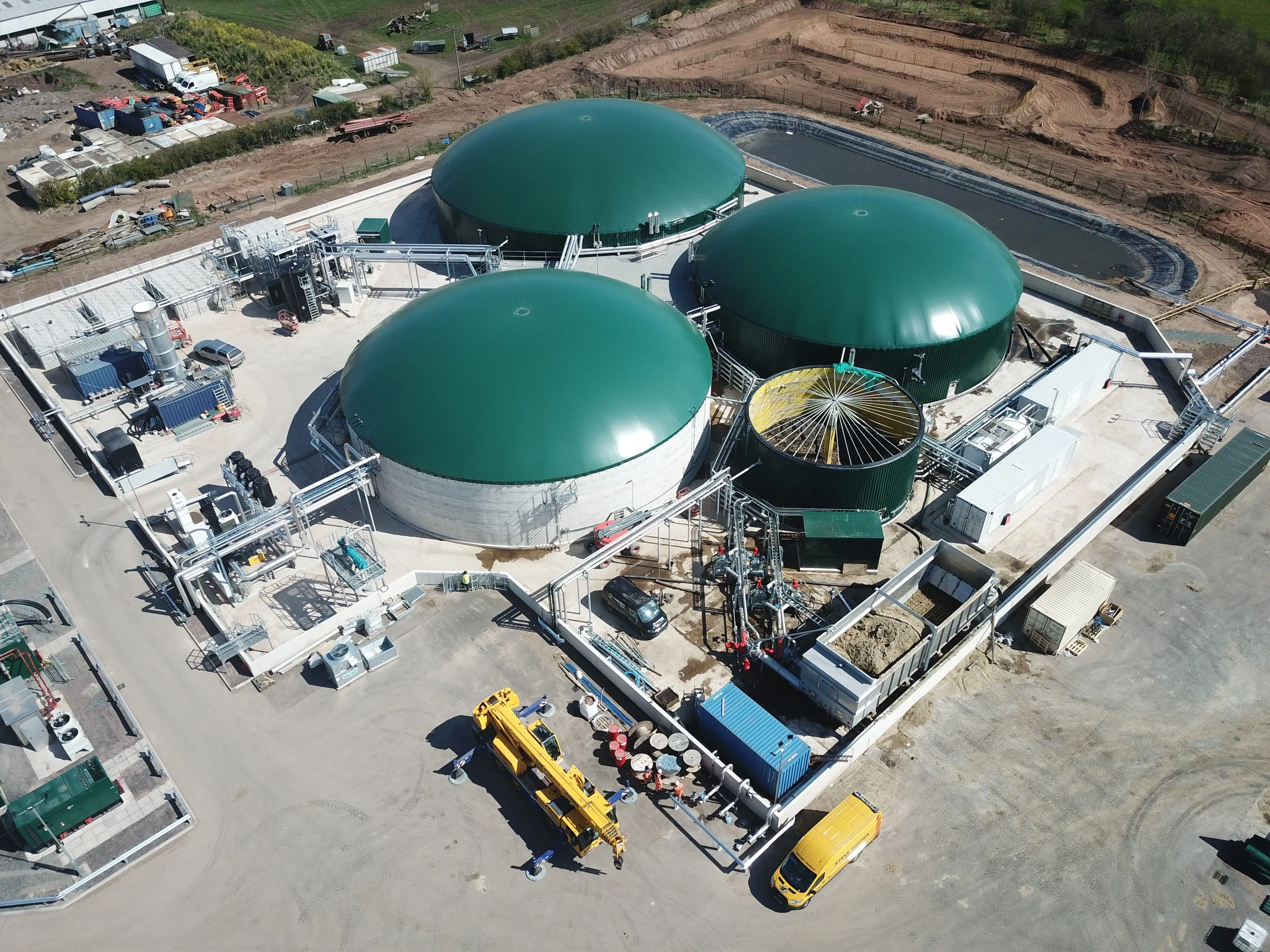
Liquid Feeding in Anaerobic Digestion: What Is It and Why It Matters
Liquid feeding is transforming the way AD plants operate, offering smoother feeding, higher process stability, and reduced maintenance. We look at how liquid feeding works, compare it to solid systems and explore the practical design, performance benefits and potential drawbacks operators should consider when optimising biogas production.
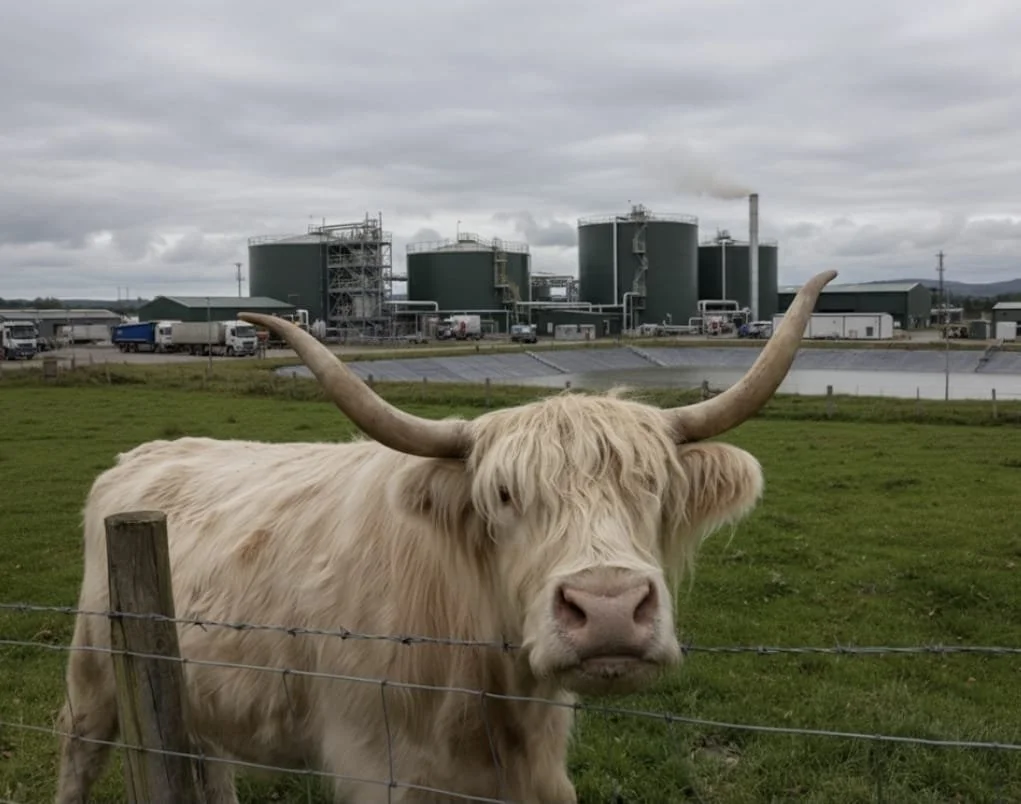
Farming Feeding AD: How Agriculture Powers the Anaerobic Digestion Industry
Farming and anaerobic digestion form a powerful partnership at the heart of the UK’s renewable energy transition. Agriculture provides the essential feedstocks that fuel AD plants, while AD returns value through renewable energy, nutrient-rich digestate, and reduced emissions.