
Depackaging Food Waste: How Anaerobic Digestion Turns Packaged Waste into Biogas
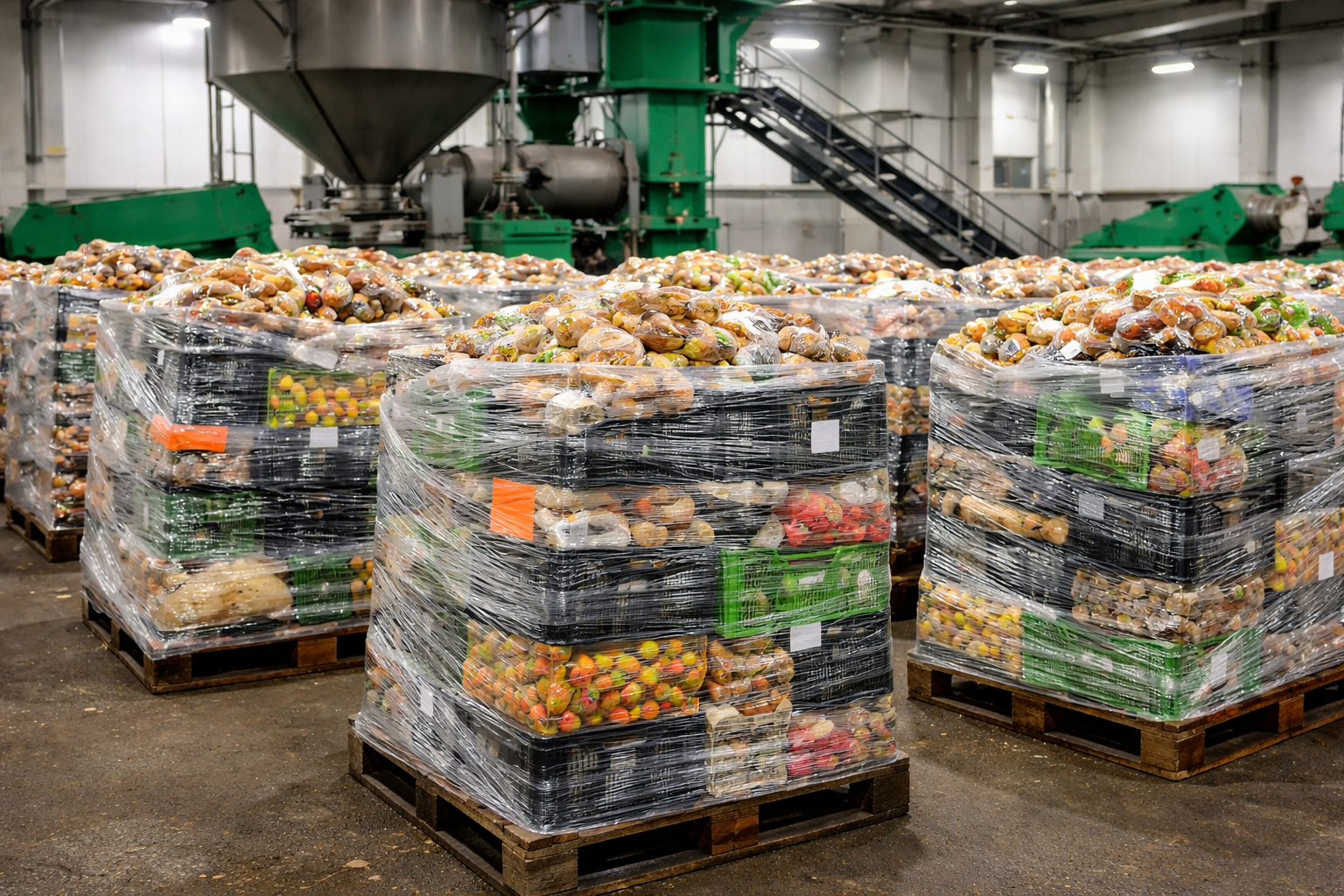
Packaged food waste is everywhere. Supermarket returns, expired stock, factory off-spec batches, catering waste. The frustrating part is this, a huge share of that material is energy-rich, yet it often arrives wrapped in plastic, foil, cartons, and composites that do not belong anywhere near a digester.
That is where depackaging comes in. Done well, depackaging is the missing link between food waste recycling and reliable biogas production, turning messy, mixed inputs into a pumpable organic slurry that an anaerobic digestion (AD) plant can actually use. It is also becoming more relevant in the UK because separate food waste collection is being rolled out more widely.
In England, Defra’s Simpler Recycling policy sets clear timelines for businesses and households, including weekly food waste collections for most homes by 31 March 2026.
What is depackaging, and what actually happens to the waste
Depackaging is the mechanical separation of organic material from its packaging. In AD terms, it is part of pre-treatment, alongside blending, screening, and contaminant removal. WRAP’s AD process guide explicitly notes that packaged food waste is extracted from packaging during pre-treatment, and screened for contaminants like plastics and grit.
A useful way to think about it is this.
Input: Packaged, mixed, often inconsistent food waste
Output: A pumpable organic fraction (slurry) suitable for digestion, plus a separated packaging fraction that must be managed responsibly
On the energy side, AD is well suited to food waste. The UK government guidance describes AD as the breakdown of wet organic wastes in the absence of oxygen to produce biogas (often around 60% methane and 40% carbon dioxide) and digestate, a nitrogen-rich fertiliser. IEA Bioenergy also highlights the efficiency of food waste digestion, with up to 85% of degradable material converted to biogas in well-run systems.
Why depackaging matters now more than ever.
Two forces are driving depackaging up the priority list.
1. Collection changes are increasing the food waste stream
In England, Simpler Recycling requires businesses and relevant non-domestic premises to arrange collection of core recyclable waste streams including food waste from 31 March 2025, with micro-firms (fewer than 10 FTE employees) exempt until 31 March 2027. Local authorities must collect core streams from households by 31 March 2026, including weekly food waste collections for most homes.
More separate collection means more material seeking compliant treatment routes, and a higher likelihood of packaged or contaminated loads in the mix.
2. Plastics and physical contaminants are an operational, regulatory, and reputational risk
AD plants and their off-take markets are increasingly sensitive to contamination. Environment Agency standard rules for certain AD facilities include a requirement that biodegradable waste significantly contaminated with non-compostable contaminants, especially plastic and litter, must be no more than 5% w/w, and “as low as reasonably practicable” by 31 December 2025.
The depackaging to biogas pathway, step by step
Depackaging sits inside the wider AD pre-treatment and feeding system. The best performing sites treat it as a quality control process, not just a way to get waste through a machine.
1. Waste reception
What happens: Loads arrive, are inspected, and tipped into reception.
What good looks like:
Clear waste acceptance criteria for packaged loads
Visual checks at tipping, plus basic sampling where needed
Traceability, so recurring issues can be linked back to specific suppliers
Common pitfalls to avoid:
Accepting unknown or poorly described loads
High levels of glass, grit, or mixed packaging without a plan
No feedback loop to suppliers, meaning contamination keeps repeating
2. Pre-treatment
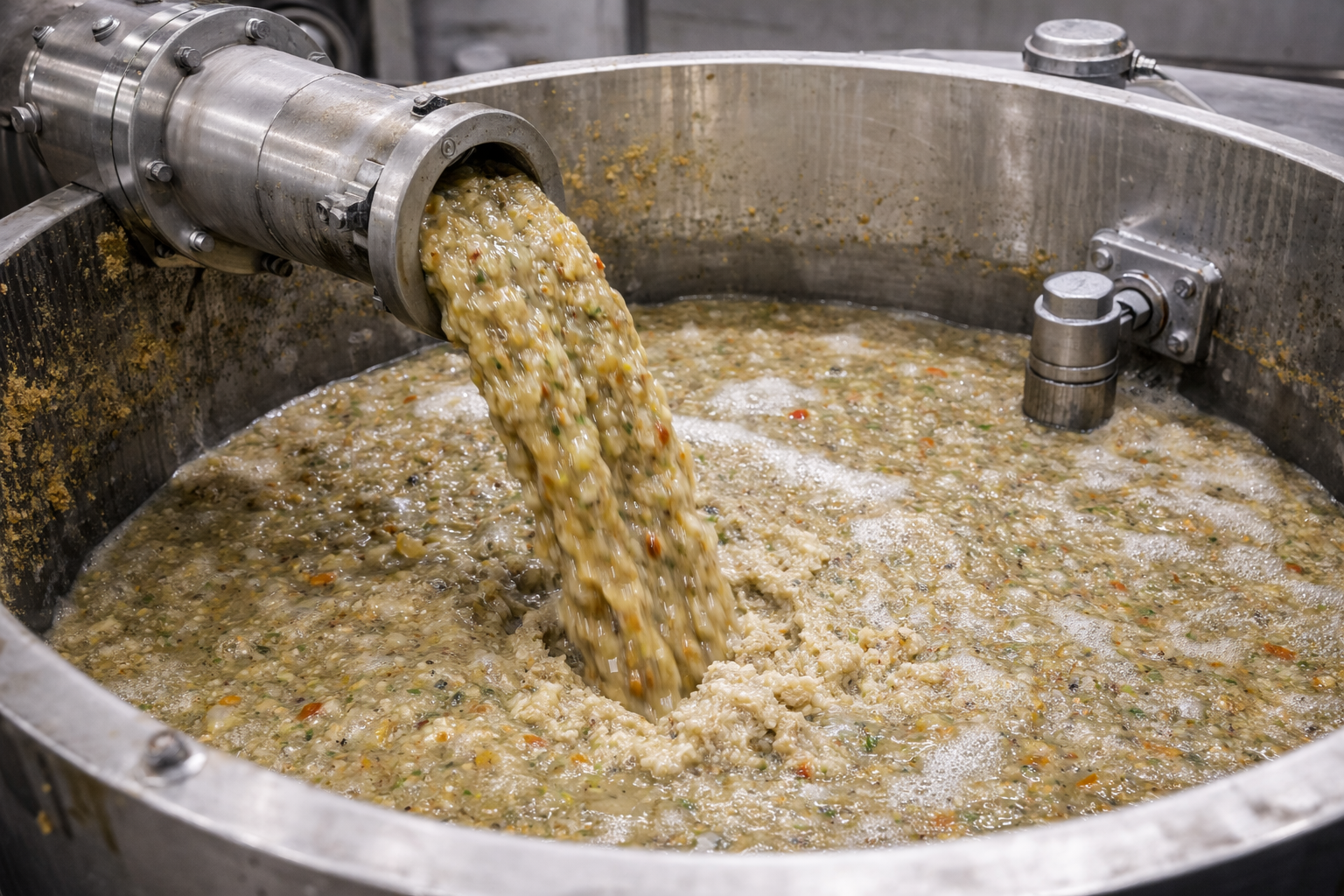
What happens: Sorting, depackaging, screening, and blending to produce a usable organic slurry.
What good looks like:
Consistent slurry quality that can be pumped and dosed reliably
Effective removal of grit and physical contaminants
A contamination strategy that is measured and monitored
Common pitfalls to avoid:
Over-aggressive size reduction, which can break plastics into smaller fragments
Inadequate screening, leading to plastics and foreign bodies reaching digestion
Poor housekeeping, which drives odour and operational headaches
3. Digestion
What happens: The organic slurry is metered into the digester as part of the feedstock blend.
What good looks like:
Stable organic loading rate (OLR) and consistent feeding behaviour
Stable biology and predictable gas output
No build-up of plastics or materials that interfere with mixing
Common pitfalls to avoid:
Foaming and scum issues driven by inconsistent feedstock
Inhibition events caused by unmanaged changes in input composition
Mixing problems or maintenance issues linked to contaminants
4. Biogas use
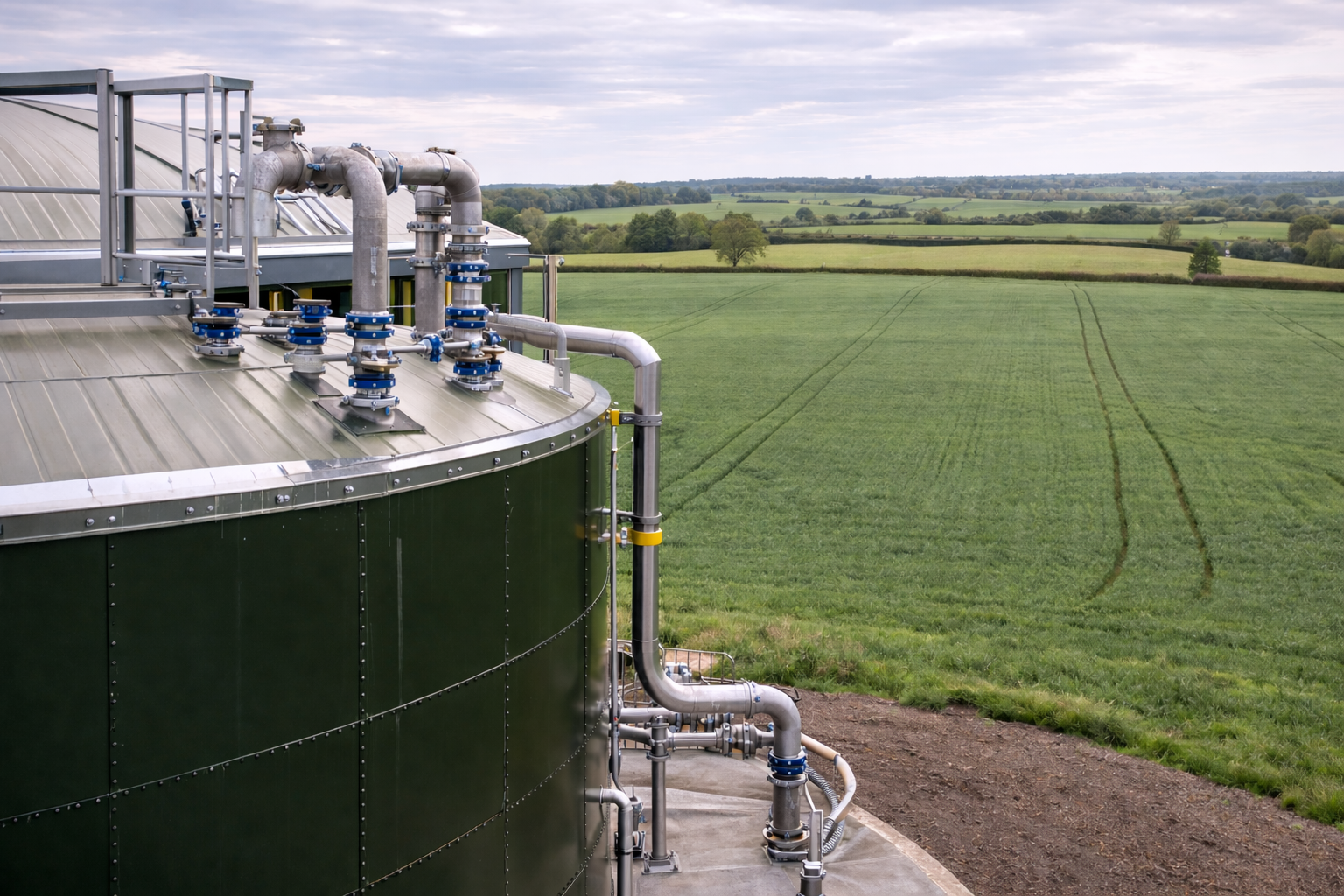
What happens: Biogas is used in CHP or upgraded for grid injection, depending on the plant setup.
What good looks like:
Reliable gas quality and stable uptime
Predictable operating patterns that reduce costly downtime
Good monitoring and maintenance routines on the utilisation side
Common pitfalls to avoid:
H2S spikes, engine wear, or flaring due to unstable input management
Frequent shutdowns caused by upstream feedstock issues
Treating biogas use as separate from feedstock quality, when they are tightly linked
5. Digestate management
What happens: Digestate is stored, treated, or applied to land depending on the site’s route and compliance pathway.
What good looks like:
Clear route to use, including confident off-take partners
Low plastics and physical contamination, protecting land application confidence
Strong documentation and quality controls
Common pitfalls to avoid:
Plastics showing up in digestate, creating reputational and compliance risk
Odour issues due to poor storage or handling practices
Weak quality evidence, making off-take difficult and undermining value
Depackaging technology options, and how to choose what fits
There is no single “best” depackaging system. The right choice depends on your incoming waste profile, throughput requirements, site footprint, water availability, and how sensitive your downstream route is to plastics and grit.
Option 1: Hammermill or rotor separators
How it works: Mechanical action breaks open packs. Organics pass through screens while contaminants are retained.
Best suited to:
Mixed packaged food waste streams
Higher throughput environments
Watch-outs:
If configured poorly, plastics can be reduced into smaller fragments, making removal harder later
Option 2: Wet pulpers and wash systems
How it works: Adds water to pulp the organics. Packaging often stays more intact, which can support separation.
Best suited to:
Streams with higher contamination risk
Situations where protecting slurry purity is a priority
Watch-outs:
Water use and potential effluent handling
More steps, more maintenance, more space
Option 3: Screw press separators
How it works: Compresses material to separate organics from packaging, producing a pumpable organic fraction.
Best suited to:
More uniform packaged wastes
Predictable, consistent streams
Watch-outs:
Performance can vary with composites and inconsistent loads
Needs a steady feed profile for best output
Option 4: Low size-reduction depackagers
How it works: Focuses on separation with minimal shredding, aiming to avoid breaking packaging into smaller pieces.
Best suited to:
Sites where microplastics risk is a key concern
Operations prioritising cleaner separation over brute force throughput
Watch-outs:
Throughput and efficiency can vary depending on waste type and packaging mix
Practical checklist, actionable steps for operators, local authorities, and food businesses
Here is a practical, do-this-next list.
If you run an AD or biogas plant
Tighten waste acceptance criteria for packaged loads, define limits for glass, metals, and composite packaging
Sample and score inbound loads, then feed back to suppliers. This reduces contamination at source
Design pre-treatment around plastics control, including screening, grit management, and housekeeping
Track plastics and physical contaminant KPIs, both in slurry and in digestate, because regulators and markets are moving in this direction
Review permit and standard rules constraints early, especially contamination thresholds and excluded wastes
If you are a food business producing packaged food waste
Segregate food waste streams at source and keep packaging types consistent where possible
Work with your waste contractor to verify the downstream route is AD-ready, not “recycled somewhere”
Plan for Simpler Recycling compliance and procurement, especially if you fall into the 31 March 2025 obligation group, or the 31 March 2027 micro-firm deadline
If you are a local authority or waste manager
Build contracts around quality, not just tonnage, and include contamination incentives
Plan infrastructure for 31 March 2026 household collection changes, including treatment capacity and transfer logistics
Frequently Asked Questions
-
Yes, if it is properly prepared. Packaged food waste is typically depackaged during pre-treatment, alongside contaminant screening, before it is fed into the digester.
-
It depends on composition and consistency. Some facilities aim to recycle separated materials where there are clean, saleable fractions, and otherwise send it for compliant disposal, sometimes energy-from-waste.
-
Contamination management, especially plastics, grit, and glass. It affects digestion stability, equipment wear, and digestate markets, and it can intersect with permit requirements.
-
It varies by material and plant design, but food waste digestion can be highly efficient, with a large share of degradable material converted to biogas in well-run systems.
Key takeaways and next steps
If you remember three things, make them these:
Depackaging turns packaged food waste into a usable AD feedstock, enabling cleaner, more consistent biogas production.
Quality and contamination control are the real value drivers, and they are increasingly tied to compliance and digestate confidence.
UK collection timelines are accelerating the opportunity, especially with household food waste collections expanding by 31 March 2026 in England.
