
PAS 110 and the new digestate rules. What AD operators need to know
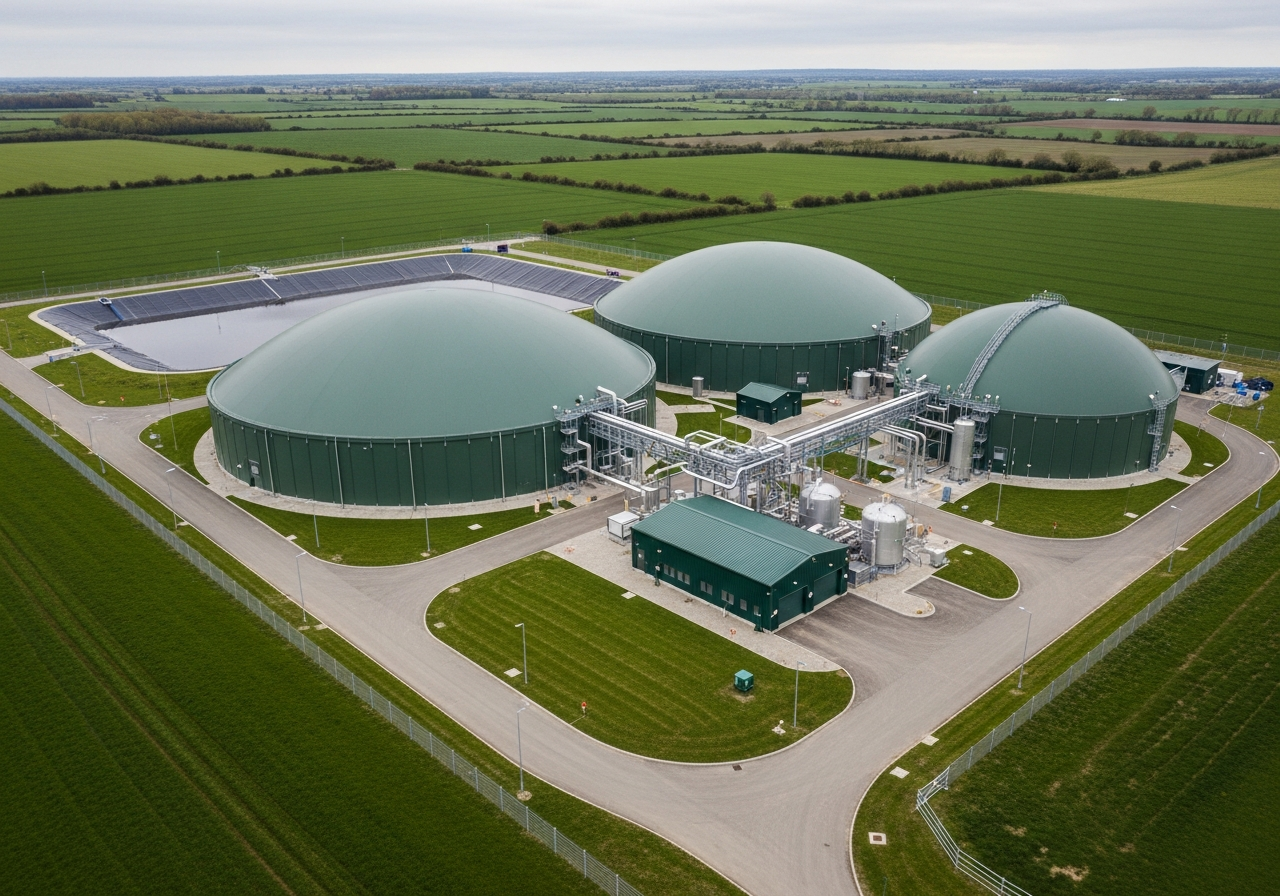
If you produce digestate from anaerobic digestion in England, the rules around PAS 110 and End-of-Waste (EoW) have just changed in a big way.
In October 2025 the Environment Agency (EA) withdrew the Anaerobic Digestate Quality Protocol (ADQP) and replaced it with a new Anaerobic Digestate Resource Framework (ADRF). At the same time, new Regulatory Position Statements (RPS 317 and RPS 358) were brought in to help operators manage the transition.
For PAS 110 certified plants this is not a cosmetic tweak. The ADRF:
Tightens contamination limits, especially plastics
Changes when digestate becomes a non waste product
Opens up new markets, including horticulture, under clear conditions
Puts more emphasis on documentation, storage and evidence of use
This article walks through what has changed, how it links to PAS 110, and what AD operators, developers, consultants and compliance teams need to do next.
PAS 110, ADQP and ADRF simplified.
PAS 110 is the British Standard that defines what “quality digestate” looks like. It covers input controls, process conditions, pasteurisation, sampling, and limits for nutrients, stability and physical contaminants.
Until 2025, the Anaerobic Digestate Quality Protocol (ADQP) sat alongside PAS 110. If you:
Used only approved source segregated biodegradable wastes
Met PAS 110 in full
Supplied digestate only into a small set of “designated market sectors”
then the digestate could usually be treated as End-of-Waste and used without waste controls.
From 20 October 2025 in England, the ADQP has been withdrawn and replaced by the Anaerobic Digestate Resource Framework (ADRF).
The ADRF:
Retains PAS 110:2014 as the core quality standard
Sets out a clear EoW test. when digestate stops being waste
Introduces new plastics limits and updated waste codes
Removes the old sector restriction, so digestate can be used in any legitimate market if it meets the rules
Important note.
At the time of writing these new frameworks apply to England only. ADQP remains in place in Wales and Northern Ireland, and SEPA’s own guidance still applies in Scotland.
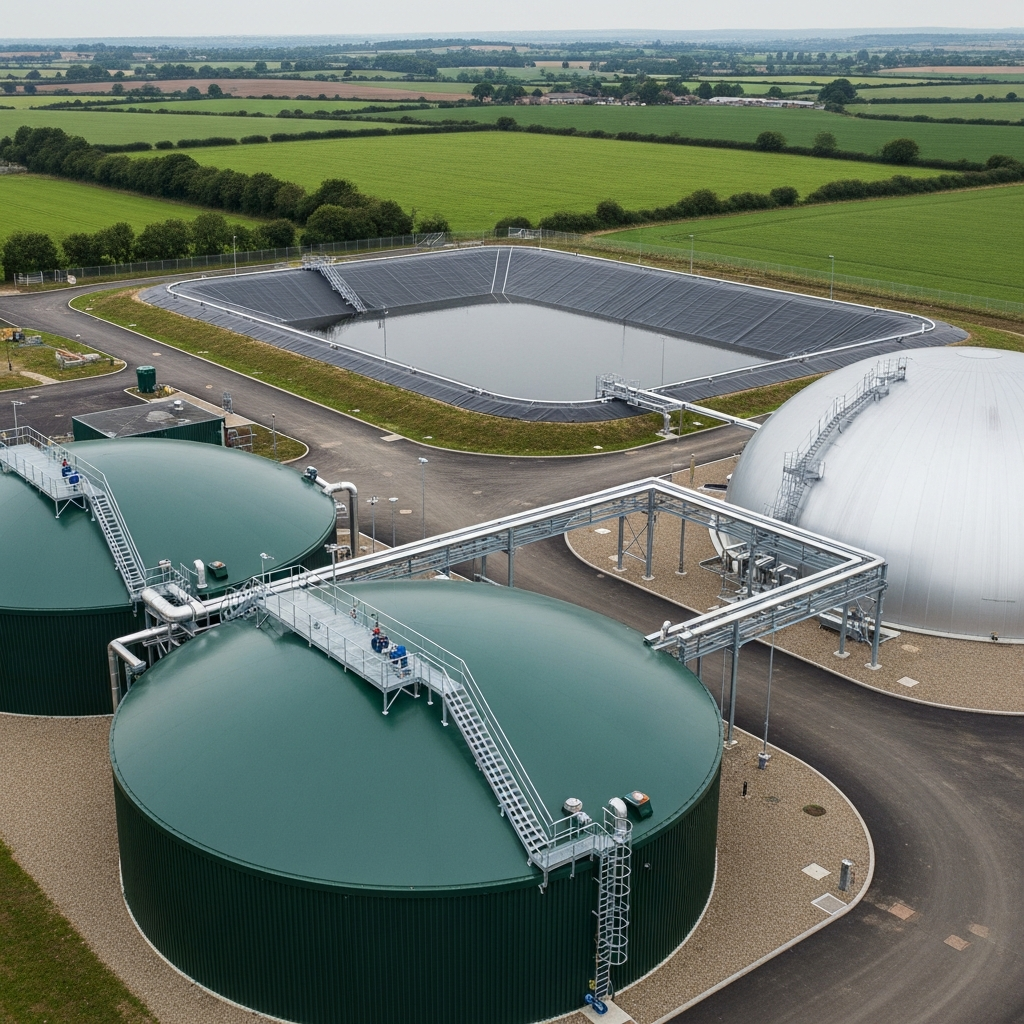
Key changes at a glance. ADQP versus the new ADRF
For anyone used to working under the Anaerobic Digestate Quality Protocol, the natural question is. what has really changed. Below is a walk through of the main differences in plain language.
1. Regulatory status
Under the old system you had the Anaerobic Digestate Quality Protocol (ADQP) sitting alongside PAS 110. It was a stand alone document that explained when digestate could be treated as End of Waste.
Under the new set up in England, ADQP has been withdrawn and replaced by the Anaerobic Digestate Resource Framework (ADRF). The ADRF is tied more tightly to PAS 110 and to the Biofertiliser Certification Scheme, so your certification, quality system and End of Waste position are now all connected.
2. When digestate stops being waste
Previously, once you met PAS 110 and the ADQP conditions, and you were supplying into an approved market sector, digestate was generally treated as a product rather than a waste.
Under the ADRF the timing is more specific. Digestate is only non waste when:
it passes the End of Waste test, and
it is either dispatched to a customer, or held on site with proper evidence of contracts or proven sales, and
it has not been stored for longer than ten months.
In other words, the legal End of Waste point is now closely tied to real outlets and realistic storage periods, not simply the moment you finish processing.
3. Approved inputs
The ADQP listed waste types that could be used to make quality digestate. Over time that list became slightly out of step with permit conditions and newer waste codes.
The ADRF includes an updated and tidied list of acceptable source segregated biodegradable wastes. Some codes have been removed, some added, and descriptions have been tightened up so that what is allowed in the framework reflects what regulators actually want to see going through PAS 110 plants.
If you are using the same feedstock list you adopted years ago under ADQP, it is worth checking each code against the new framework.
4. Plastics and physical contaminants
Under the old regime plastics were controlled mainly through the overall PAS 110 limit for total physical contaminants. As long as you stayed under that percentage, there was no separate cap just for plastics.
Under the ADRF plastics get singled out. The maximum plastics content in digestate and digestate derived products is now set at eight percent of the PAS 110 limit for total physical contaminants (excluding stones). That is a significant tightening, especially for food waste plants, and it aligns England with the tougher Scottish position.
There is a transition period through a Regulatory Position Statement, but in the long run every PAS 110 plant will need to hit this lower plastics level.
5. Market restrictions and where digestate can go
ADQP kept things relatively narrow. Even if your digestate met PAS 110, you could only send it into a defined list of “designated market sectors”. in practice that meant agriculture, land restoration and field grown horticulture. Uses like bagged compost for gardeners or other retail products were not allowed under the Quality Protocol route.
The ADRF removes those sector restrictions. In principle you can supply digestate into any legitimate market, as long as:
the product meets PAS 110 and the ADRF conditions, and
any extra quality requirements for that sector are documented and met.
For horticulture and growing media there are extra expectations. for example, working with Responsible Sourcing Scheme accredited buyers and agreeing tighter specifications. The upside is that new routes such as digestate fibre into growing media are now formally on the table.
6. Storage limits and how long you can hold product
Under ADQP practice was guided by the Protocol and by good industry behaviour, but storage time was not spelt out in the same way.
The ADRF is clearer. Digestate that you treat as non waste can be stored on the production site for up to ten months, as long as you can show that:
you have contracts or sales orders for that volume, or
your last twelve months of sales history indicate that volume is likely to be used.
If you go beyond that ten month window, or you cannot evidence the market, the material is treated as waste and your storage falls back under waste permitting rules. A separate RPS gives sites some time to sort out permits where needed.
7. Transitional support for operators
Under the old ADQP there was no dedicated transition support because the framework had been in place for many years.
With the introduction of ADRF, the Environment Agency and scheme operators have recognised that plants need time to adapt. Two Regulatory Position Statements are particularly important.
RPS 317. supports existing PAS 110 producers who do not yet meet the new plastics limit, giving them up to two years to upgrade pre treatment and contamination control, as long as they register and follow the conditions.
RPS 358. gives producers time to get the right storage permits in place where digestate is held on site in ways that do not fully meet the new ADRF storage conditions.
Together, these RPS documents are there to bridge the gap between the familiar ADQP world and the new ADRF and PAS 110 expectations, so operators can improve quality and compliance without having to shut the gate overnight.
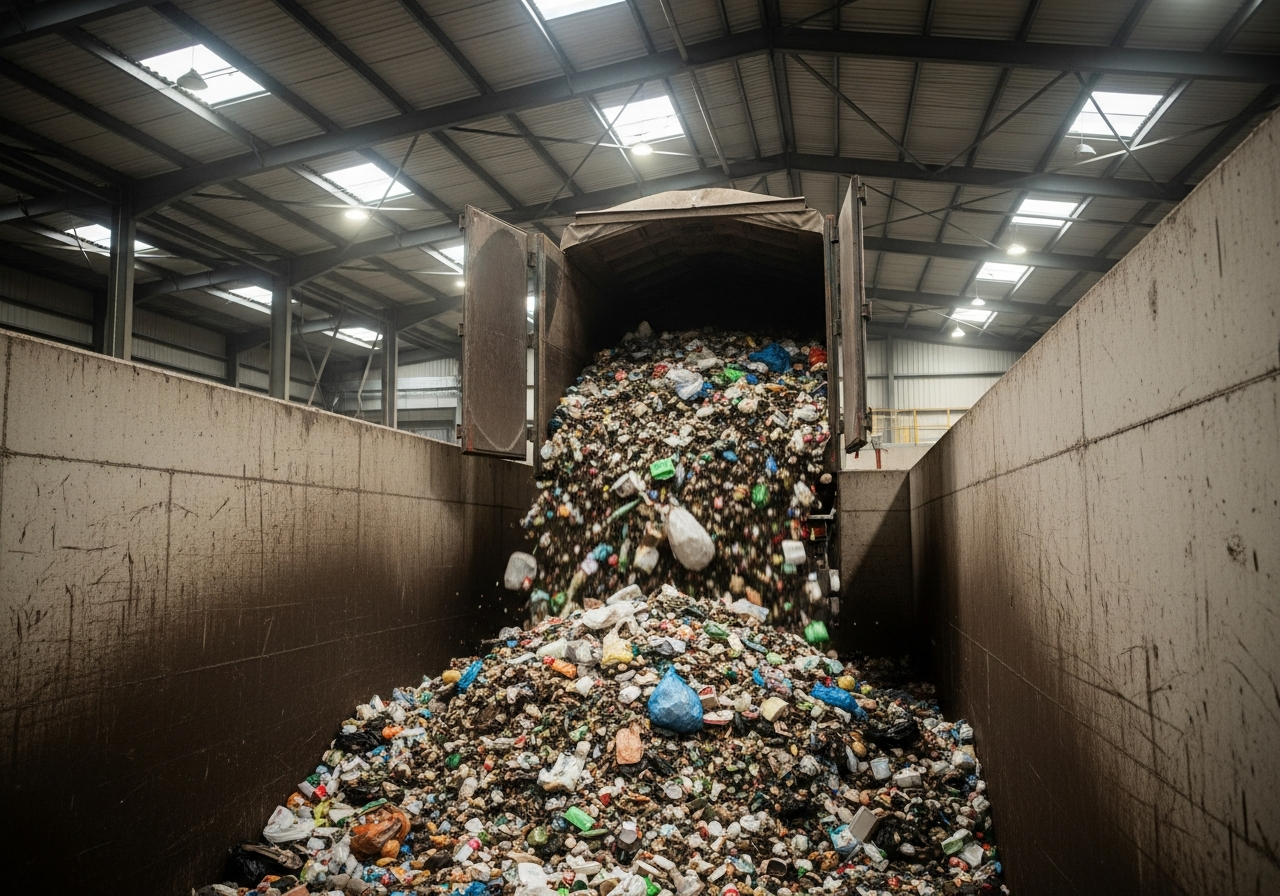
The End-of-Waste test under the ADRF
The ADRF guidance on GOV.UK sets out a clear End-of-Waste test. Digestate products are no longer considered waste only if you can demonstrate all of the following.
Approved inputs onlyYou use only source segregated biodegradable waste types listed in section 2 of the ADRF and compatible with PAS 110.
Processed and stored correctly
You have stored and processed the waste in line with PAS 110 and section 3.2 of the ADRF. That includes your ABP status where relevant, your pasteurisation regime, retention times and quality system.No further treatment needed
The digestate needs no further treatment beyond PAS 110 compliant processing before it is used.Meets any customer specification
Where you have agreed tighter specs with a customer. for example lower contaminants for horticulture or a specific dry solids band. the product must meet those written requirements.Certainty of use
There must be a clear, demonstrable outlet for the material. This is where the framework tightens things compared with ADQP. You either dispatch to a customer, or you hold material as non waste on site only if:you have contracts or sales orders that cover the quantity in storage, or
your sales history for the past 12 months shows that volume has been used before.
Time limit on storage
Even where those conditions are met, no batch can be kept as non waste for more than 10 months. After that point it must be treated as waste unless fresh evidence of use is in place.
On top of that, the ADRF confirms that:
You must be independently certified by a Biofertiliser Certification Scheme (BCS) approved body that audits against PAS 110 and the framework.
Your supply documentation must include a clear statement that the product meets PAS 110 and the ADRF, and when supplying to agriculture it must also remind customers that they need a Nutrient Management Plan (NMP) and must apply digestate at agronomic rates.
New plastics limit and the transition period
One of the most talked about changes is the new plastics threshold.
Under the ADRF:
The maximum allowed concentration of plastic in digestate and products derived from it is 8 percent of the PAS 110 “total physical contaminants (excluding stones)” limit.
In practice this is a major tightening. Particularly for plants handling post consumer food waste or poorly segregated streams.
Recognising this, EA and REAL have given industry some breathing space.
RPS 317 allows PAS 110 certified producers who currently exceed the new plastics limit to continue operating while they upgrade their plant and processes, provided they notify EA by 20 April 2026 and meet the conditions in the RPS.
Lab reports are already referencing the new limits, so some results may show “failures” that are not yet treated as non compliances during the transition period.
For AD operators this makes contamination management a strategic priority. It is worth reviewing:
Front end depackaging performance
Contracts with food waste suppliers
Visual inspection and rejection criteria at the weighbridge
Screening and polishing options for both whole digestate and separated fibre
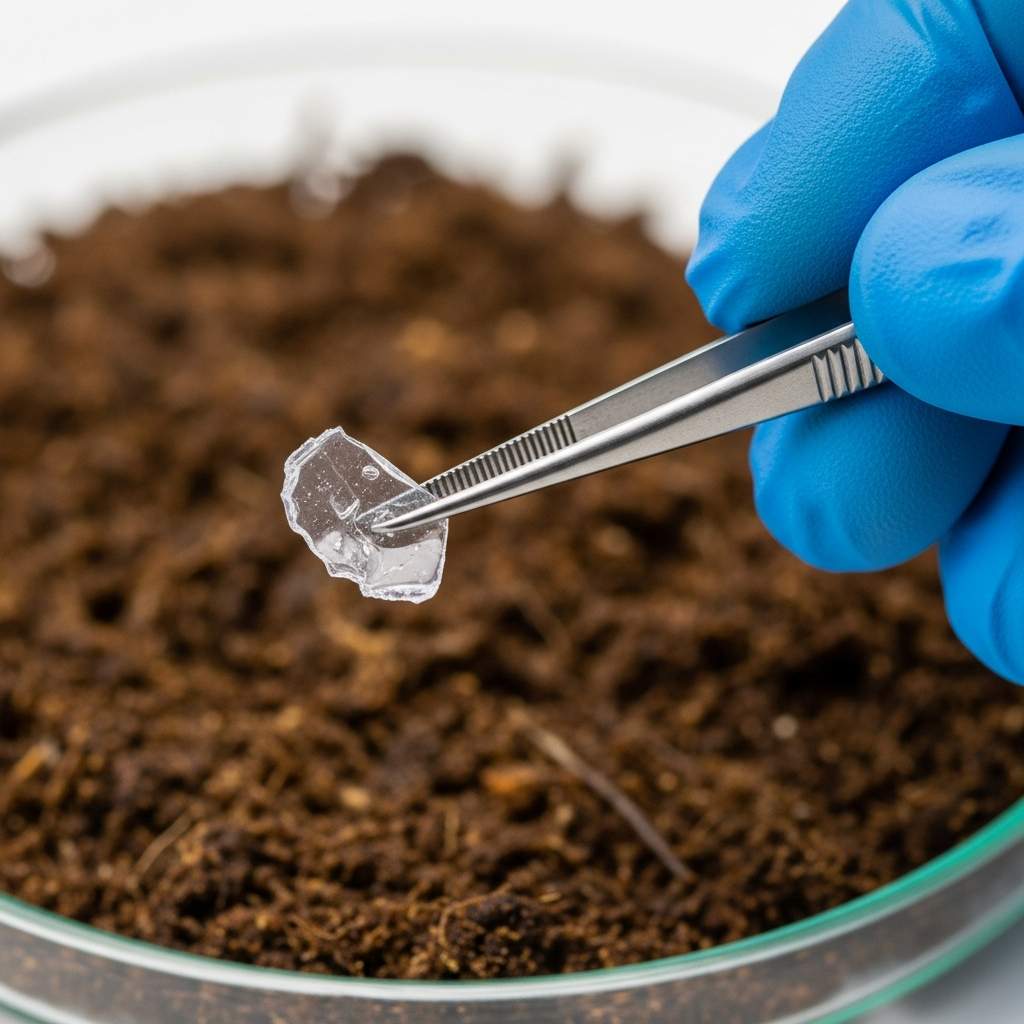
What the changes mean for different AD plant types
The practical implications vary by plant.
Food waste AD plants
Commercial food waste plants are hit hardest by the new plastics limits. Contamination levels in incoming feedstocks can be high, and many facilities will be relying on RPS 317 while they invest in improved pre treatment and screening.
Key actions here include:
Upgrading depackaging and separation technology
Tightening acceptance criteria and supplier education
Tracking plastics test results by feedstock mix and campaign
On the positive side, stronger contamination control and proven PAS 110 and ADRF compliance will make digestate more attractive to farmers and potentially to the horticulture sector.
Farm based AD plants
Farm based plants that digest mainly manures, slurries and crop residues will often find plastics less of a challenge, although plastic twine and bale wrap can still creep in.
The bigger question for many farm operators is whether to:
Pursue full PAS 110 and ADRF compliance and market digestate as a biofertiliser product, or
Treat digestate as a waste fertiliser used within their own farming system under existing permits.
For farms that already have PAS 110 certification, the ADRF brings welcome clarity on storage, EoW and documentation. It also opens the door to supplying digestate fibre to the horticulture sector, provided they partner with Responsible Sourcing Scheme members and agree tighter specs.
Biogas to biomethane plants
For plants upgrading biogas to biomethane, the gas side is covered by a separate Biomethane Resource Framework, which makes only modest changes compared with the old Biomethane Quality Protocol.
The main digestate related impact is the same as for any other PAS 110 plant. If you export or sell digestate, you need to meet ADRF requirements for EoW, plastics, storage and documentation.
How BIOCON Group can support you
The ADRF and related RPS documents are detailed and technical. They also sit alongside existing requirements under permits, Animal By Products rules and farming regulations.
For busy AD and biogas teams it can feel like a lot to unpick.
BIOCON Group works across the full AD lifecycle. from feedstock and process optimisation through to compliance, digestate management and route to market. Our team can help you:
Review your current PAS 110 system and identify any ADRF gaps
Interpret lab results and build a realistic plan to achieve the new plastics limit
Map storage and dispatch patterns against the 10 month and EoW rules
Develop documentation templates that satisfy ADRF, RPS 317 and RPS 358 expectations
Explore new outlets for digestate, including horticultural applications and fibre products
Contact our team today for support
If you would like a practical, plant specific view of what these PAS 110 and resource framework changes mean for your site, get in touch with the BIOCON Group team.
We can walk through your current operation, highlight risks and opportunities, and help you turn regulatory change into a chance to strengthen both compliance and commercial performance.