
Sand Bedding and Anaerobic Digestion. How to Handle Sand-Manure in Biogas Plants
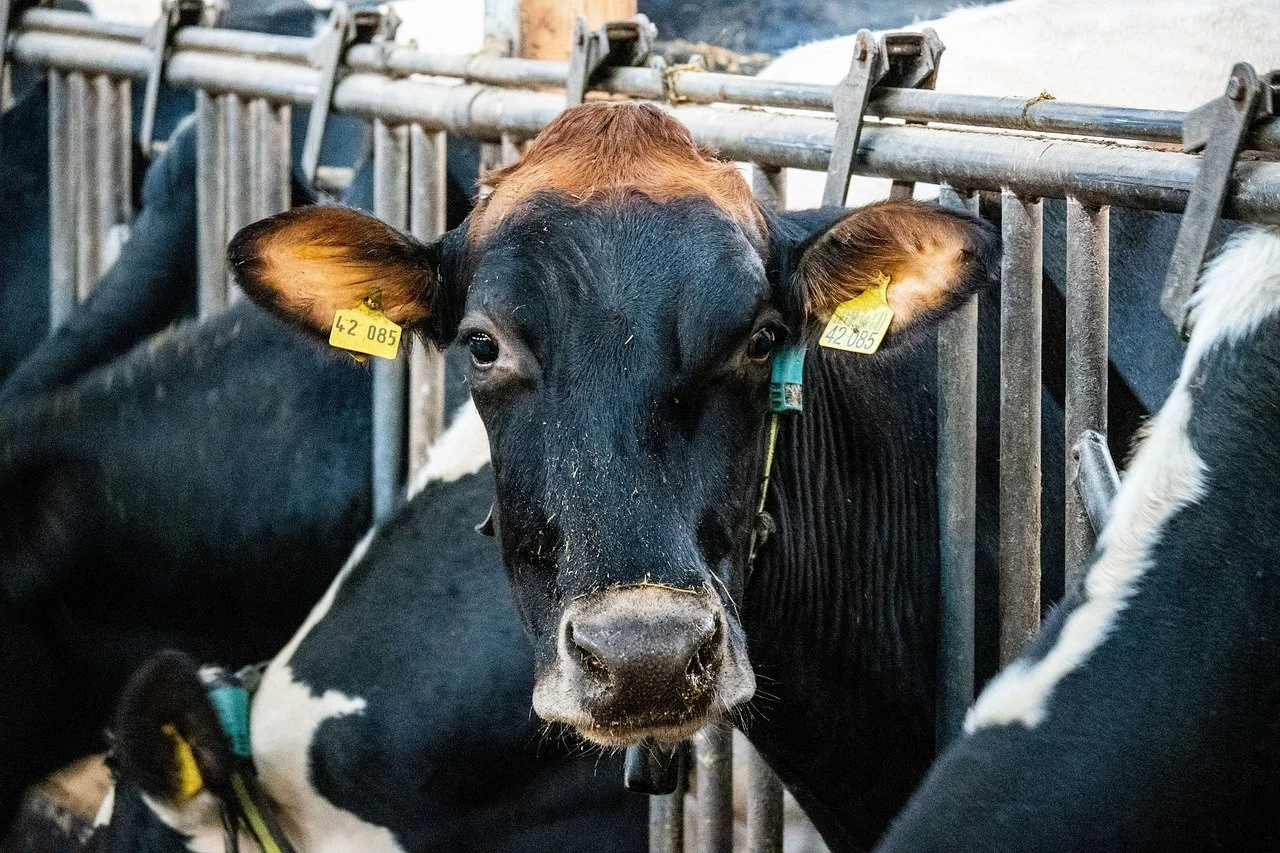
Sand bedding is popular on dairy farms for good reasons. It supports cow comfort, helps keep beds cleaner, and can reduce mastitis risk. The issue is what happens next. Once sand hits the manure stream, it becomes a heavy, abrasive contaminant that can block pipework, chew through pumps, and settle inside tanks. Anaerobic digestion (AD) systems are particularly sensitive because they rely on stable hydraulics and predictable mixing.
The good news is simple. Sand-bedded dairies can run AD successfully, but only when sand and grit are actively managed upstream and through the process. Industry guidance is clear that without separation, sand-laden manure is largely incompatible with digesters because inorganic solids displace working volume and create settling, abrasion, and maintenance headaches. With effective sand-manure separation, the manure fraction can be digested and sand can often be recovered for reuse.
Why Use Sand for Cow Bedding, and How Does It Enter Manure?
Sand is often called the “gold standard” of dairy cow bedding for good reason. It keeps cows clean, dry, and comfortable, leading to better udder health and higher milk yields. Unlike straw or sawdust, sand is inorganic and doesn’t harbor bacteria, which helps prevent mastitis and other infections. Cows on sand bedding tend to lie down longer and have lower lameness and somatic cell counts, reflecting improved welfare and productivity. It’s no surprise many British and European dairy producers have adopted sand in freestalls for animal welfare benefits.
However, all that sand eventually ends up mixed into the manure. Every time stalls are cleaned, sand-laden manure is collected from barn alleys. Farms use different manure collection methods – tractors scraping alleys, slatted floors with pits, or flushing alleys with recycled water – but in every case, sand from the bedding becomes part of the manure stream. A typical dairy cow may see 20–25 kg of sand per day in bedding; over time, this results in tons of sand entering the manure management system. The manure, now heavy with sand, is either stored or sent to treatment (like an anaerobic digester). This is where problems can arise.
Sand-laden manure is notoriously difficult to handle and very abrasive on equipment. Sand increases the slurry’s weight and can erode concrete, damage manure pumps, clog pipes, and wear out separator screens and spreaders. Farmers often find that what was a smooth manure management process becomes a constant battle with plugged lines and broken agitators once sand bedding is introduced. In cold climates, sand-laden manure can even freeze solid, compounding handling issues
Impacts of Sand on Anaerobic Digestion Performance and Maintenance
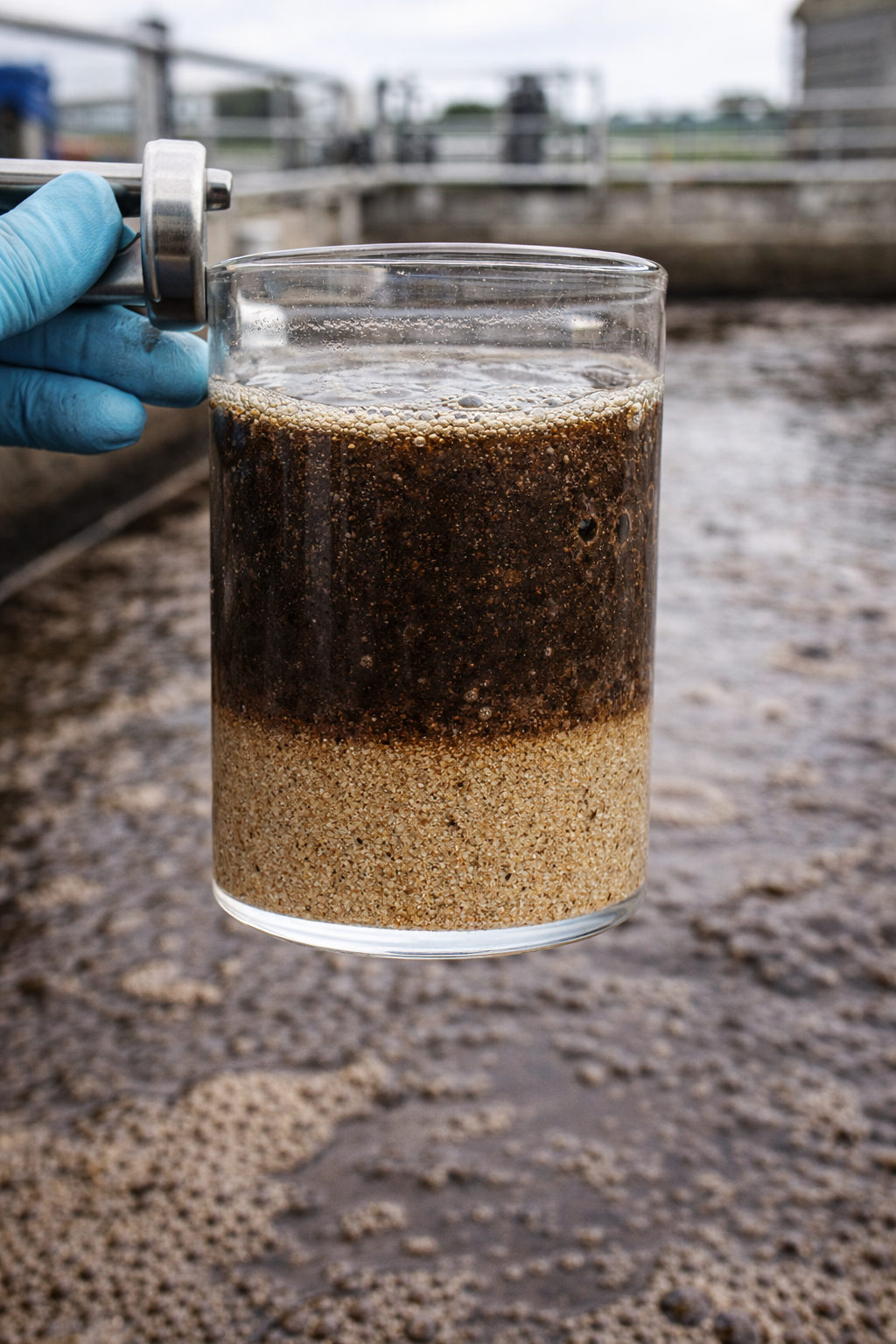
If sand-laden manure is difficult for pumps and pipes, it’s even more problematic inside an anaerobic digester. Traditional biogas digesters, whether complete-mix tanks or plug-flow reactors, are not designed to process large quantities of sand. The dense sand particles settle out of the manure and accumulate in low-flow areas of the digester. Over time, this settled sand reduces the effective digester volume and capacity, displacing room that should be occupied by organic material. As a result, the retention time for the manure shortens and biogas yields drop, since a portion of the digester is essentially filled with inert sand rather than digestible solids.
Worse, the accumulated sand forms a cement-like layer that is extremely hard to remove. Once sand has settled in a digester or manure tank, it usually requires manual excavation or costly downtime to clean it out. Many AD operators dread the prospect of having to dig out tons of sand from a tank – a dangerous, expensive, and smelly task. Sand also clogs pipes and heat exchangers, and its abrasive nature accelerates wear on pumps and mixers. This leads to more frequent maintenance and replacement of parts – an unwelcome cost for biogas plant operators.
Sand and anaerobic digesters don’t naturally mix: one UK AD engineer quipped that sand turns a digester into a big concrete mixer full of grit if you’re not careful.
Sand contributes nothing to biogas production – it’s an inert material with no biogas potential at all. Every cubic meter of sand in a digester is displacing manure that could be producing methane. For all these reasons, it has long been a common belief that farms using sand bedding “can’t do AD” unless they give up sand.
In fact, historically almost no biogas systems were built on sand-bedded dairies without first addressing the sand issue. Many AD developers simply avoided sand-bedded farms, and many sand-bedded dairy farms avoided AD, thinking it incompatible.
Practical Solutions for Using Sand-Laden Manure in Biogas Plants
However, sand and biogas don’t have to be an either/or choice. The industry has developed several practical solutions to manage or remove sand before it can cause trouble in an AD system. By focusing on manure pre-treatment and system design, dairy farms can continue bedding on sand and still feed their anaerobic digesters a sand-free or low-sand diet.
Here are the key strategies:
1. Sand-Manure Separation Systems (Pre-Treatment)
The most effective solution is to separate the sand from manure before it enters the digester. This can be done with dedicated sand-manure separation equipment. Many farms use mechanical sand separators, which wash and settle out sand from the manure stream, allowing the sand to be recovered for reuse as bedding and the remaining manure (mostly organic matter and liquids) to be sent to the digester.
Several types of sand separation technologies exist:
Passive Sand Traps or Lanes: In flush-manure systems (common in the US and some large dairies), producers build long settling channels or basins where flush water velocity is slowed, allowing sand to settle out by gravity. The sand accumulates in these lanes and can be dug out or augered out, while the diluted manure water flows onward. This simple approach can capture a large portion of the sand if designed correctly (with enough length and slow flow). The downside is that it requires ample space and management to clean out the trapped sand regularly, but it is a low-tech, inexpensive solution.
Mechanical Sand Separators: Many UK and European farms use scrape systems (rather than flush). In these cases, automated sand separation units can be installed. For example, sand-manure separators (SMS) typically take scraped slurry from a reception pit, mix it with a controlled flow of recycled water, and then use a combination of gravity settling, augers, and vibrating screens to remove sand. Some systems include hydrocyclones (cyclone separators) to spin out fine sand particles that gravity alone might miss. The end result is pile of clean sand that can be dried and reused in stalls, and a nearly sand-free manure effluent that can be pumped into an AD or storage lagoon.
Weeping Wall or Sedimentation Systems: An alternative seen on some farms is a settling storage with perforated walls (a weeping wall): the liquids drain out through slats, leaving a stack of sand-laden solids behind. After draining, the solids (with sand) can be handled as a thick material. However, this approach generally does not recover sand for reuse and is more about managing storage than protecting a digester.
A well-designed mechanical sand separation system can reclaim 90–99% of the sand in manure. For instance, one manufacturer reports capturing 95% of sand for recycling while also removing additional fine particles from the manure. This greatly reduces new sand purchase costs (by as much as £50,000–£60,000 a year on a 500-cow farm, according to one example) and keeps the sand out of the digester. Recovered sand can be reused in the barn, and farmers thus close the loop on bedding. Meanwhile, the manure (now mostly organic matter) can be pumped easily to the biogas plant without fear of abrasion or settling issues.
As McLanahan puts it, “Without separation beforehand, sand bedding is incompatible with anaerobic digestion systems… [but] with sand-manure separation, sand can be recycled and the manure effluent can be anaerobically digested.” This approach has enabled even large sand-bedded dairies (1,000+ cows) to install digesters.
Every anaerobic digester on a sand-bedded dairy today uses some form of sand separation pre-treatment as it’s an essential step for success.
Important tips for sand separation
When implementing sand separation, a few tips are important:
Choose robust equipment: Because sand is abrasive, separation systems must be built with wear-resistant materials (e.g. hardened steel or rubber liners) and operate at relatively low speeds. This ensures longevity. Many farms report that their sand separation unit is heavy-duty but surprisingly low-maintenance.
Optimise water use: Mechanical systems often rely on water to help wash and carry sand. Farms may use recycled centrate from a digester or parlor wash water for this purpose. Ensuring the right dilution and flow rate is key – too fast and sand won’t settle; too slow and pipes may clog. Operators often dial in the system over time, and some trial and error is normal.
Plan for cleaning: Even with separation, a small fraction of fine sand, and other grit like soil or feed minerals, can make it past. Designing easy access to flush or purge pipes, and scheduling an annual (or biannual) clean-out of any accumulation in a pre-tank or digester bottom, is wise insurance.
2. Digester Design Modifications (Grit Traps and Sand-Friendly Systems)
In addition to external separation, designing the AD system to handle residual sand can mitigate issues. Some approaches include:
In-line Grit Traps: Installing a sand trap or grit chamber before the manure enters the main digester tank can catch heavy particles. For example, a pre-digestion pit with a sloped bottom can act as a sand catch – operators periodically empty this pit to remove collected sand. In flush systems, simple settling basins serve this role. Think of it as a “sandbox” where sand is deliberately dropped out, sparing the digester.
Conical or Sloped Digester Floors: Certain digester designs incorporate a steeply sloped floor or cone bottom. The idea is that any sand that does enter will slide to the lowest point, where it can be pumped out or removed via an access port. Some European digesters have sloped concrete floors for easier sand removal during maintenance. This doesn’t prevent sand accumulation, but makes cleaning more straightforward compared to a flat-bottom tank.
Agitation and Mixing Patterns: Engineers may adjust mixer placement or use hydraulic mixing to keep particles in suspension just long enough to exit with the effluent. However, this is tricky – over-mixing can consume energy and potentially harm biology, and ultimately sand will settle somewhere. Mixing alone isn’t a cure, but thoughtful mixer design can reduce dead zones where sand would pile up.
3. Digestate Management and Post-Digestion Separation
Even after digestion, sand can influence how you handle the digestate (the leftover liquid/solids from the AD process). If sand was effectively removed upfront, the digestate will mostly contain organic solids (fiber) and can be separated into liquid fertiliser and solid compost/fibre easily. But if some sand is present:
Post-Digestion Separation: Many biogas plants use screw presses or decanter centrifuges to separate digestate into solid and liquid fractions. These machines can also help capture any remaining fine sand or grit in the solid fraction. The solids (containing any sand) can then be managed separately – for instance, used in land application or further processed.
Periodic Tank Clean-out: Digesters or digestate storage tanks might need occasional clean-outs. Sand and grit typically settle in digestate storage lagoons or the bottom of secondary tanks. Operators should monitor tank depths and remove sediment build-up perhaps every few years (frequency depends on how well sand was removed prior). As noted earlier, settled sand is difficult to re-suspend and usually requires physical removal, so planning access for loaders or vacuums in storage design is wise.
Reuse or Disposal of Separated Sand: If you do capture sand post-digestion, it may be too contaminated or fine for bedding reuse. Some farms simply spread this sandy material on fields (provided it’s inert and free of pathogens after digestion). Others send it to be cleaned if economically feasible. The goal is to avoid sending any sand back into the cycle where it could again interfere with pumps or clog irrigation nozzles, for example.
Once the manure has been digested, the remaining fibre fraction can become a resource. Many UK farmers have started using recycled manure solids (RMS) – essentially the digested fibre – as an alternative bedding.
This practice takes the digested solids, dries or composts them to kill bacteria, and then uses that as a cushy bedding in place of sand or sawdust. It’s a prime example of the circular economy: the cows’ manure becomes biogas and fertiliser, and the fibrous residue goes right back under the cows as bedding. Recent research in Denmark highlights that manure fibre bedding can provide comparable cow welfare and even improve biogas output (since all manure goes into the digester rather than sand)
FAQ’s
-
Yes, but only if sand is removed or managed before it reaches the digester.
Sand is inert and settles quickly, which reduces working volume and increases wear on pumps and mixers. A sand-manure separation step, plus grit management in reception and pre-treatment, is usually essential for stable AD performance.
-
Sand settles, displaces digester volume, and causes abrasion and blockages. It accumulates in low-flow zones and forms a dense layer that is difficult to remove. Over time, this can reduce retention time, disrupt mixing, and drive unplanned shutdowns for clean-outs.
-
Use a sand-manure separation system, often combining settling and mechanical separation. Common approaches include settling lanes or grit traps (best where space and hydraulics allow), and mechanical separators that wash and separate sand for reuse. Some systems add hydrocyclones to capture finer particles.
-
Grit traps, accessible clean-outs, and pipework designed to avoid dead zones.
Useful measures include a dedicated grit sump before the digester, sloped floors or sumps in reception tanks, flush points in pipework, and pump selection suited to abrasives. -
Track sediment build-up and equipment wear, then sample at key points. Practical checks include measuring settled depth in reception pits, pre-tanks, and storage, trending pump seal failures, and sampling influent and separator performance. The goal is early detection before volumes become problematic.
-
Yes, but it raises the bar on pre-treatment and contamination control.
If you are blending dairy slurry with food waste, you need robust front-end handling, screening, and grit management so the sand does not undermine uptime and maintenance. It is achievable, but only with disciplined process control.
Need support with your plant?
Sand bedding does not have to rule out anaerobic digestion, but it does demand a plan. If you are dealing with sand-laden manure, or you are assessing a new dairy AD project, we can help you identify the right separation approach, reduce grit-related downtime, and build a feedstock strategy that protects performance from day one.
Speak to the BIOCON team to discuss sand-manure separation options, digester protection measures, and a practical route to reliable biogas production from sand-bedded dairies.
