
The Feedstock Question: Why Locality Matters as Much as Gas Yield
Gas yield is an easy number to focus on. It appears in supplier data, financial models and plant performance reviews. It is also only one part of the feedstock decision.
For an anaerobic digestion plant, the right feedstock is material that can arrive consistently, be handled safely, digest predictably and return value through energy and digestate. A high yielding load that travels a long way, arrives inconsistently or leaves digestate with no practical local outlet can weaken the whole project.
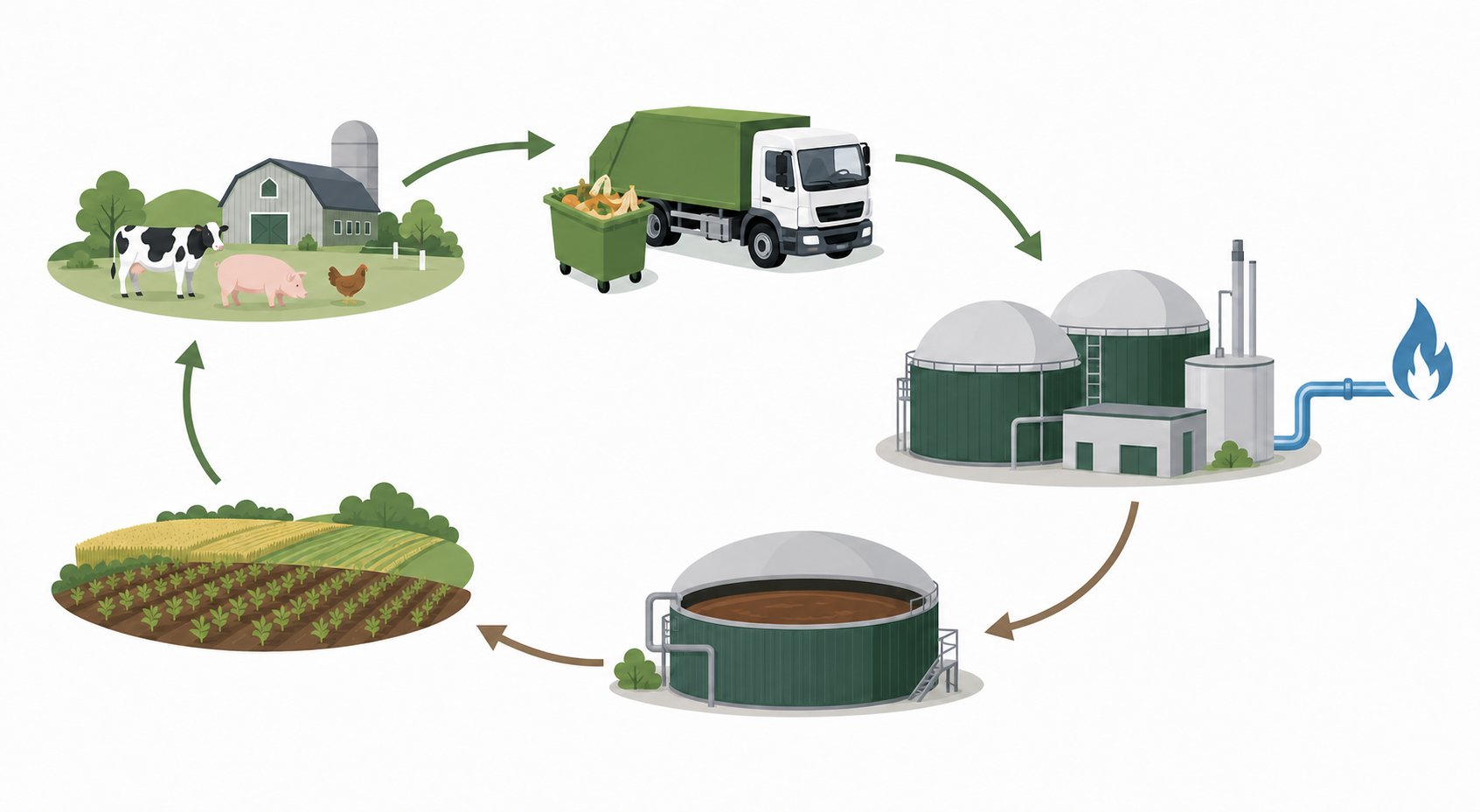
Local feedstock for anaerobic digestion means assessing the full physical loop around a plant. It includes where material is produced, how it reaches site, what it displaces, where digestate can be used, and whether those routes remain reliable through the year.
This matters more now. Earlier this year (from 31 March 2026), waste collection authorities in England must provide weekly household food waste collections, unless they have an agreed transitional arrangement. That creates opportunities for AD, but it also puts greater emphasis on collection contracts, transfer points, vehicle movements and realistic treatment capacity.
What does locality mean for an AD plant?
Locality is not a fixed mileage radius. A farm with slurry next door and land available for digestate can be a stronger proposition than a much richer waste stream brought from further away. Equally, a well organised food waste collection route with a nearby transfer station may outperform a nominally local supply that has poor storage, contamination or seasonal availability.
The useful question is this: can the plant manage the material and its outputs with the least practical movement, loss and disruption?
That question has five parts.
1. Feedstock origin. Identify where each material is generated and how much is genuinely available after prevention, redistribution, animal feed and competing uses.
2. Inbound logistics. Review loading, collection frequency, traffic route, vehicle type, transfer arrangements, waiting time and wet weight.
3. Plant fit. Check dry solids, volatile solids, nutrient profile, contaminants, packaging, fats, proteins, ammonia risk and how quickly the material changes.
4. Digestate destination. Map local land, storage, crop demand, nutrient plans, spreading windows and the cost of moving separated liquor or fibre.
5. Local acceptance. Consider road capacity, neighbours, odour sensitivity, site operating hours and whether the logistics plan remains credible in wet weather or a supply interruption.
Gas yield remains important. It helps size equipment, predict biomethane output and set feed rates. It should sit within a wider feedstock strategy, rather than deciding it on its own.
Why can a high yielding feedstock be a poor commercial choice?
High energy feedstocks such as food waste, fats, oils and greases can lift gas production quickly. They can also introduce a higher duty of care around acceptance, preprocessing and traceability. The value of the extra gas needs to cover the whole additional burden.
Transport moves water as well as energy
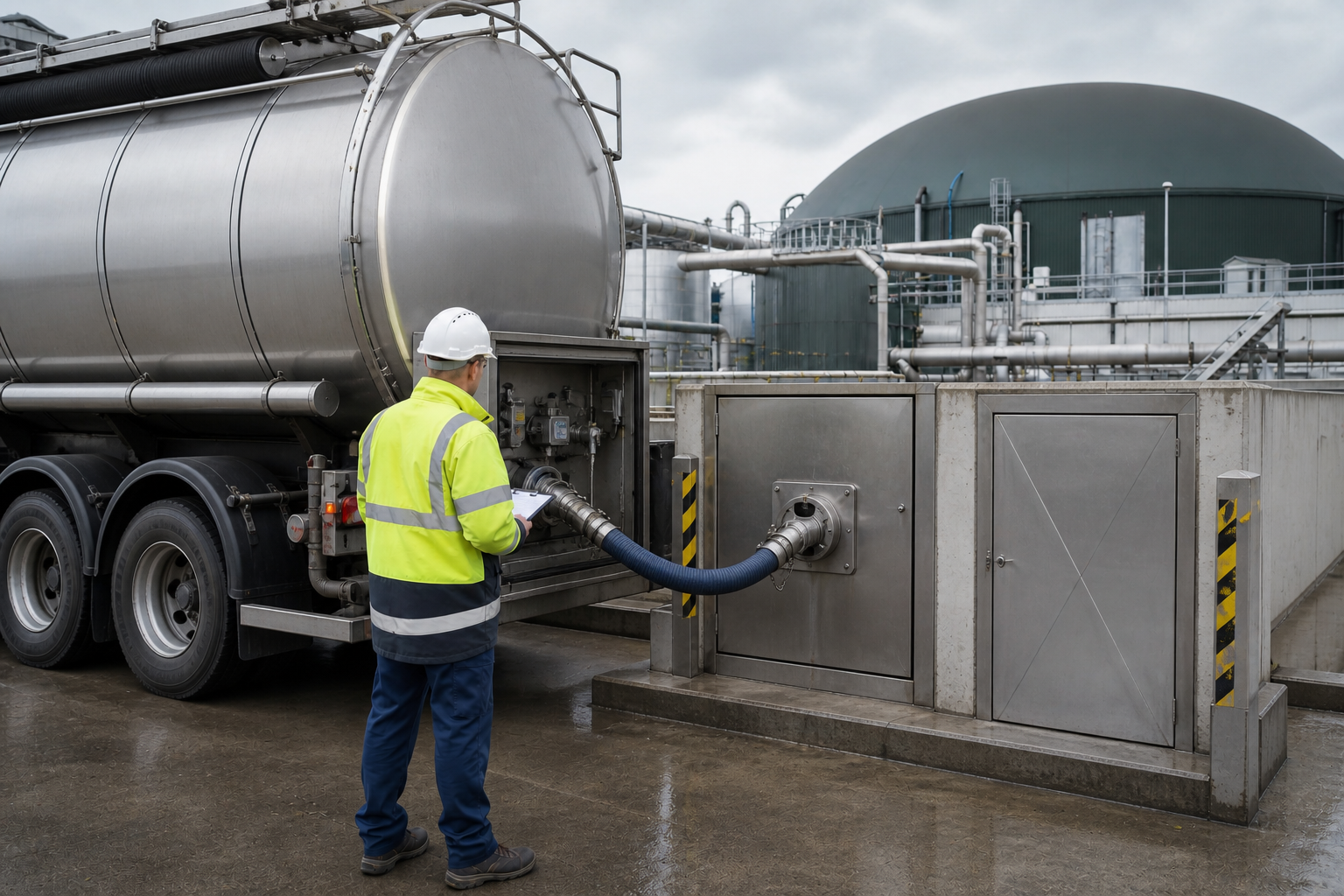
Many organic feedstocks are heavy because they contain a high proportion of water. Every unnecessary tonne kilometre has a cost in fuel, driver time, fleet wear, collection capacity and emissions. It can also increase the number of vehicle movements visible to neighbours.
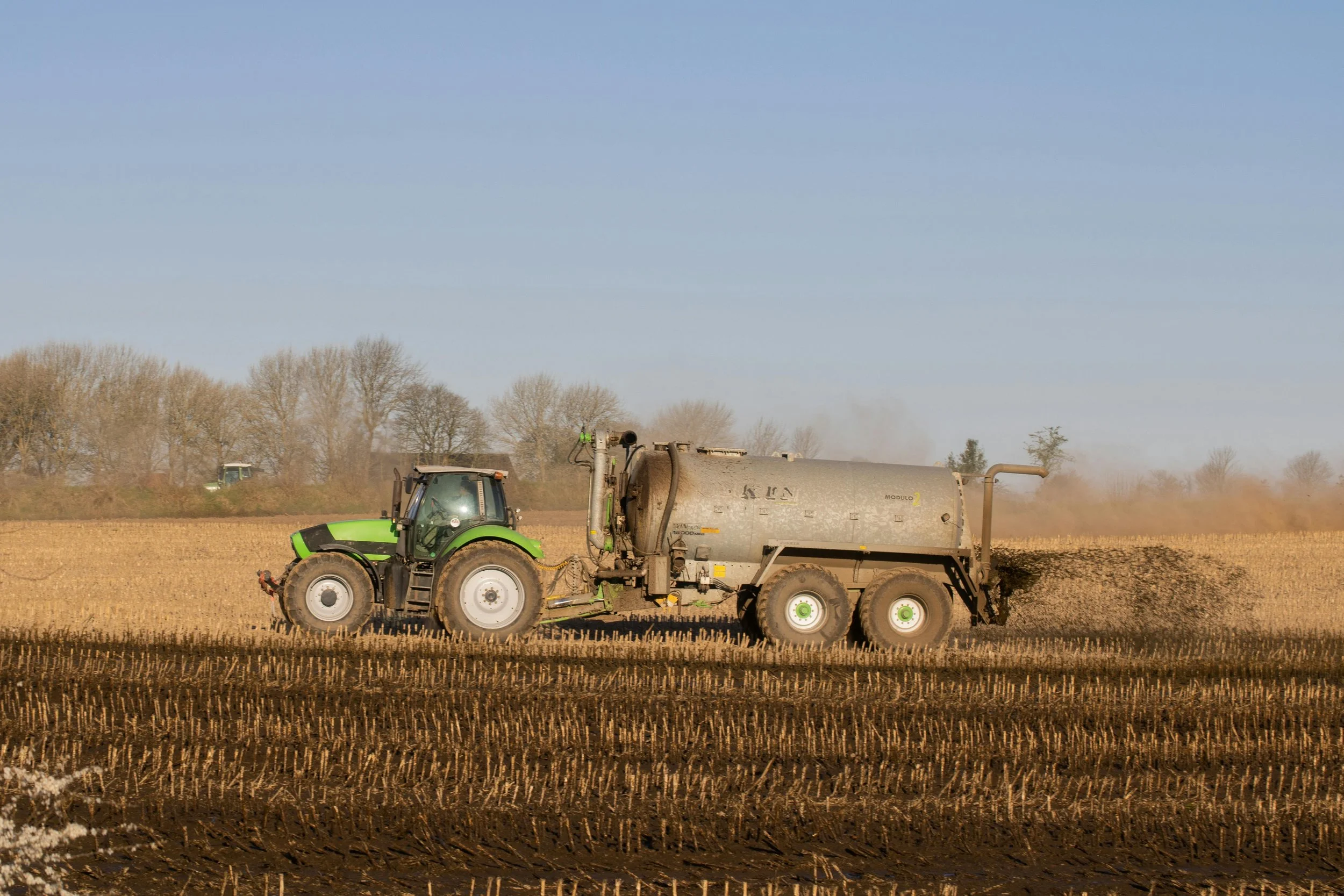
The same issue applies in reverse. Digestate can be valuable close to the land that needs its nutrients. If the plant has to move large liquid volumes over long distances because suitable land is not available nearby, the return journey can quietly erode the apparent advantage of an inbound feedstock.
There is no universal transport distance at which a feedstock stops making sense. The answer depends on payload, backhaul opportunities, road type, gate fees, energy route, digestate nutrient value and the alternatives for that material. The calculation needs real local data, not a generic distance rule.
A supply contract is not the same as a resilient supply chain
An AD plant needs a steady biological diet. A contract may state an annual tonnage, but the plant experiences deliveries by day and by week. School holidays, tourism, harvest, weather, retailer promotions, processing shutdowns and collection changes can all change the profile.
Longer supply routes add handovers. Each transfer point brings another opportunity for delay, contamination, load rejection or a change in commercial terms. A plant designed around one distant high energy stream can become exposed if that stream is diverted, diluted or temporarily unavailable.
Locality can reduce this exposure where it allows several manageable sources rather than one dominant supplier. It does not remove the need for contracts and contingency plans. It makes those plans more practical.
Feedstock quality protects the digestate route
The material entering a digester shapes the product leaving it. Source segregated feedstock with good acceptance controls is easier to manage than heavily contaminated material, even when the latter appears cheaper or richer on a gross gas basis.
Plastics, glass and other physical contaminants raise wear, disposal cost and reputational risk. Nutrient balance matters too. A feedstock plan that drives excessive nitrogen or phosphorus relative to local crop demand may create a digestate management problem, regardless of its methane potential.
For digestate intended for use on agricultural land, operators and land managers must understand the applicable quality, waste and nutrient management requirements. In England, the Farming Rules for Water apply to anaerobic digestate as an organic manure. Land managers must assess pollution risk and must not plan to apply more nitrogen than the soil and crop need.
What should a local feedstock assessment include?
A useful assessment follows materials from source to soil or final energy use. It should start before a technology supplier has fixed the plant capacity.
Build a feedstock catchment map
Map every proposed source, not just the largest ones. Record the expected tonnes, collection pattern, seasonality, dry solids, volatile solids, likely contaminants, current disposal route and contract status.
Then map the practical route to site. Use actual roads and likely vehicle sizes. A straight line on a map is rarely a transport plan. Note weight restrictions, school routes, pinch points, flood prone roads, queuing space and the closest transfer stations.
For farm inputs, distinguish between material that is truly available and material already needed elsewhere. Slurry may be close by, but its seasonal handling, dilution and storage position determine how dependable it is as a digester feed.
Measure quality before pricing it
Suppliers commonly quote a typical value. The plant needs a range and a sampling plan. For each material, test for dry solids, volatile solids, pH, total ammonia nitrogen, total nitrogen, phosphorus, potassium, sulphur, chloride and physical contaminants where relevant.
For food waste and industrial residues, also understand packaging type, cleaning chemicals, salt, fats, oils, grease, residual product and any change in production recipe. A sample from a good week is not enough for a long term feedstock decision.
Set acceptance criteria that the weighbridge team and operators can apply. Define what happens when a load is out of specification. That might mean a reduced rate, quarantine, sampling, blending limit, rejection or a supplier corrective action. The control should be agreed before a difficult load reaches the gate.
Model the whole movement, including digestate
Calculate inbound and outbound movements together. Include collection or supplier haulage, transfer stations, reception storage, preprocessing residues, digestate storage, separation, spreading and return journeys.
Use seasonal volumes rather than an annual average. Digestate land application is constrained by soil conditions, crop need and weather. The right outlet in April may not be available in January. Storage capacity and local cropping plans therefore have as much bearing on feedstock throughput as digester volume.
Check whether digestate will be managed as waste or supplied under an appropriate quality and end of waste route. Where PAS 110 is part of the intended route, confirm the current certification and quality requirements for the specific feedstocks and process before contract signature.
Put a value on reliability and flexibility
The model should include more than a gate fee and cubic metres of gas. Price the cost of lost throughput, emergency haulage, rejected loads, extra preprocessing, digestate storage, odour controls and downtime caused by contamination or process upset.
Also model what happens if the largest supplier falls away for a month. A practical strategy has alternative sources that can be introduced within the process limits of the plant. It may be less profitable on paper in the best month, but it can be more bankable over the life of the asset.
How do local feedstocks affect process stability?
Locality does not make a feedstock biologically suitable. It makes it easier to learn how that material behaves and to manage changes at source.
An operator working with a stable group of local suppliers can build a useful data set. Delivery records can be linked to laboratory results, feed rate, gas output, volatile fatty acids, alkalinity, ammonia and foaming events. That gives the team earlier warning when a supplier changes product or collection practice.
The issue is especially important with high energy wastes. A rapid increase in fats, proteins or readily degradable sugars can increase gas output before it creates a process problem. If the microbial population cannot adapt to the organic loading rate, volatile fatty acids can rise and pH control can become more difficult.
Local suppliers may also be more accessible when an issue needs fixing. A conversation about depackaging, segregation or washdown practice is easier when the supplier understands the local plant, the contract and the consequences of a rejected delivery.
What changes between farm, food waste and industrial AD plants?
Farm based plants
For a farm based plant, locality commonly begins with slurry, manure, crop residues and the farm's own land bank. The main questions are seasonal availability, dilution, storage, crop rotation and the practical distance to fields.
Imported feedstock can improve gas output, but it changes the risk profile. It can bring traffic, animal by product controls, contaminants and a different nutrient balance. The benefit should be assessed against the additional reception, pasteurisation where required, monitoring and digestate obligations.
Food waste plants
Food waste plants need a clear view of collection geography. England's separate weekly household food waste collections increase the importance of contracts that match the plant's real catchment and preprocessing capacity.
Food waste is valuable for gas production, but collection quality is critical. Small changes in liner policy, caddy communication or commercial customer practice can alter plastic contamination and moisture. The plant should have a route for dealing with rejects that does not compromise normal reception and hygiene controls.
Industrial and manufacturing residues
Industrial residues can be highly consistent and valuable. They can also change without notice when a factory switches product, supplier, cleaning regime or production volume.
Use a change notification clause and review samples whenever a supplier changes process. Where the source is nearby, joint investigation and corrective action can be much faster. That is a genuine operational value, even if the gas yield is similar to an alternative feedstock.
What are the compliance, safety and community risks?
In England, waste AD operations need the appropriate environmental permit under the Environmental Permitting (England and Wales) Regulations 2016. The permit and its operating techniques should drive how material is received, stored, treated and monitored. Odour, emissions, drainage, waste acceptance and contingency arrangements all need to reflect the actual feedstock mix.
Food waste that contains meat or comes from premises handling meat can also engage animal by product requirements. Operators should confirm the treatment, approval and record keeping requirements with the Animal and Plant Health Agency and the relevant regulator for their feedstocks.
Locality helps only if the plant controls local impacts. More short journeys can still mean too many movements through a village. Reception doors left open, poor housekeeping and overloaded storage can damage community confidence quickly.
Treat the traffic plan, odour management plan and emergency storage plan as operating documents. Review them when a new major supplier, route or feedstock is introduced. A project that is acceptable at commissioning may not stay acceptable after its feedstock mix changes.
When should you bring in specialist support?
Bring in support before a supply agreement becomes the plant's operating reality. This is particularly useful when projected gas production looks strong but logistics, digestate outlets or feedstock quality data are uncertain.
BioConsult can review the feedstock plan alongside plant data, reception capacity, laboratory results, permit conditions and digestate management. BioContractors can help turn the resulting controls into routines for sampling, acceptance, storage and operator handover.
