
EPC Contracts in Biogas and Anaerobic Digestion: A Guide to Sustainable Energy Development
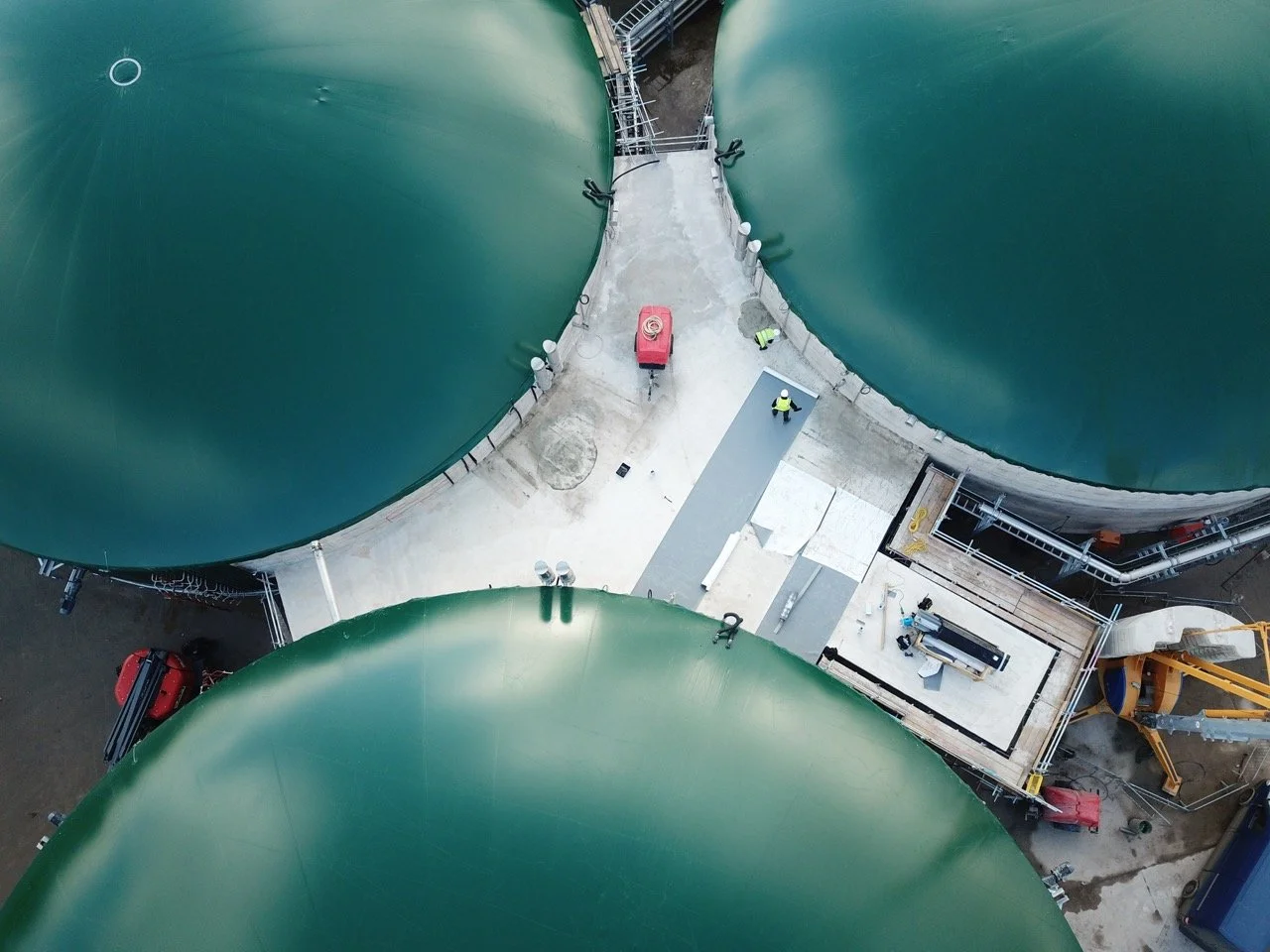
Planning a biogas or anaerobic digestion project is rarely straightforward. By the time you reach construction, you have already navigated planning permission, feedstock agreements, grid or gas connection, and financing. The question of how the plant actually gets built, who is responsible for it, and what happens if things go wrong is just as critical as any of those earlier steps.
What is an EPC contract, and how does it work for AD plants?
An engineering, procurement, and construction (EPC) contract is an agreement under which a single contractor takes on full responsibility for designing, procuring equipment, building, and commissioning a facility to a defined specification. The owner receives a completed, operational plant. The EPC contractor carries the risk of getting it there.
In the biogas and AD sector, EPC contracts have been the dominant delivery model for decades. The majority of the UK's existing fleet of over 700 AD plants were built under some form of EPC arrangement. The contractor typically commits to a lump sum price and a fixed completion date, so the owner knows what they are paying and when the plant will be ready.
This structure has clear appeal for developers and their funders. A single point of accountability reduces the complexity of managing multiple contractors. Lenders in particular favour EPC arrangements because they reduce completion risk, which makes project finance easier to secure and on more favourable terms.
In practice, an EPC contract for a biogas or AD plant typically covers the following scope:
Site preparation and civil engineering
Process design and equipment specification
Procurement of digesters, gas handling systems, combined heat and power (CHP) engines, or biogas upgrading equipment
Construction, installation, and mechanical completion
Commissioning and performance testing
Handover documentation and initial operator training
From idea to operation: the EPC journey in four phases
Phase 1: Feasibility and pre‑development (roughly 3–6 months)
Every resilient AD project starts with a clear picture of what goes in, what comes out, and how it connects. Feasibility work maps feedstock volumes and quality, seasonality, and gate‑fee potential; screens planning constraints and utility access; and frames the commercial model. Early calls with the distribution network operator (DNO) or gas network (GDN) save months later. The output is a concept design, outline mass balance and a business case with sensitivities that tell decision‑makers what actually drives value.
What good looks like at the end of Phase 1:
A go/no‑go pack with a site shortlist, feedstock letters of intent, an indicative grid/gas strategy, a concept layout, and a financial model tested for price, volume and schedule shocks.
Phase 2: Detailed engineering and permitting (roughly 6–12 months)
With feasibility banked, the project turns into hard drawings and applications. Process flow diagrams convert to P&IDs; equipment specifications are frozen; and safety studies—HAZOP, LOPA, ATEX zoning—are closed out. In parallel, planning and environmental permissions progress, while grid or gas applications proceed through offer stages. Long‑lead items (tanks, upgrading skids, CHP sets) are queued with careful attention to delivery risk. Finance moves towards FID using firm quotes and a final EPC contract.
Markers of success: planning consent granted or at committee; grid/gas offers accepted; long‑lead procurement strategy agreed; an EPC draft with a clear risk register, payment milestones and LDs (liquidated damages) for delay and under‑performance.
Phase 3: Construction and installation (roughly 12–18 months)
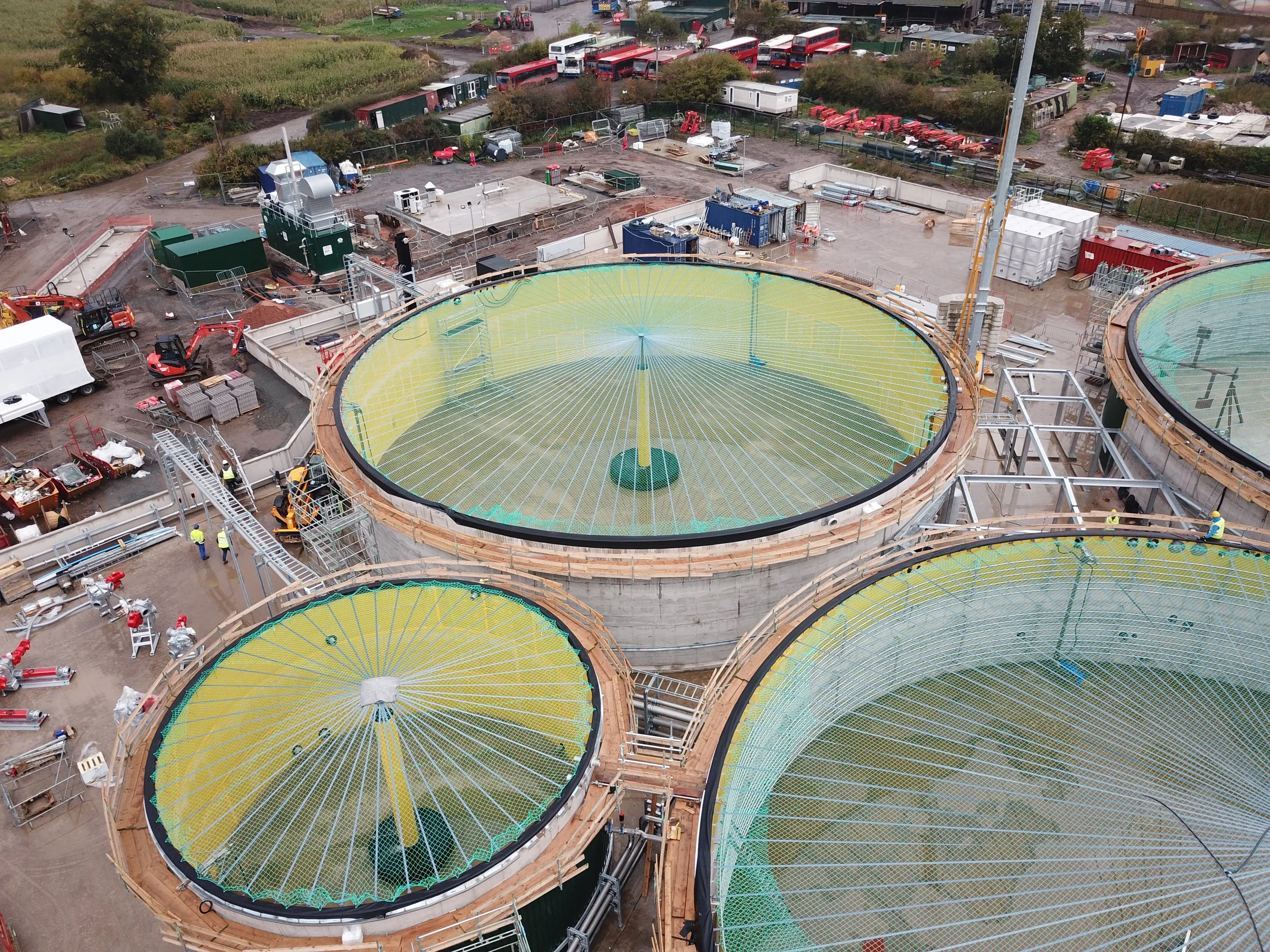
Construction is where EPC shines. The integrator coordinates civils, tank builds and M&E, manages factory and site acceptance tests, and stitches the plant together through controls and SCADA. Owner visibility should come through a practical programme, weekly dashboards, and hold points for witnessing critical tests. Good EPC teams build maintainability into the layout—safe access to mixers, proper lifting points, isolation valves that can actually be reached, and cable routes that can be traced in five years’ time.
Things to watch out for: allowing scope creep on‑site; late design changes; distant or overloaded grid/gas connections; and delivery clashes between civils and M&E.
Phase 4: Commissioning, ramp‑up and handover (roughly 2–6 months)
Biological systems do not hit nameplate on day one. Inoculation and staged feeding bring the biology up safely, while the team tunes temperatures, retention times and recirculation. Performance tests must be realistic: specify the methane concentration basis, parasitic loads, and test duration. At handover, you should have trained operators, complete O&M manuals, a spare parts list, and a verified preventive maintenance plan in your CMMS.
Non‑negotiables: link final payments to proven performance, not just mechanical completion.
Why AD belongs in your energy mix
AD offers something the grid increasingly lacks: predictable, dispatchable renewable energy. Where wind and solar are weather‑driven, a well‑run digester supplies base load power or pipeline‑quality biomethane day and night. The environmental case stacks up too. By diverting organics from landfill and sewage systems, AD prevents fugitive methane emissions and turns waste into energy and a valuable fertiliser in the form of digestate. That means revenue from multiple streams, electricity and heat, biomethane sales or green gas certificates, gate fees for waste processing, and the agronomic value of digestate rather than a single tariff.
For industrials with steady heat loads or logistics fleets exploring low‑carbon fuels, AD pairs energy security with reputational gain. For councils, it underpins food‑waste strategies with a local circular economy story. For investors, EPC‑wrapped AD assets with robust feedstock contracts and clear offtake can be compelling long‑term holds.
Choosing the right delivery route: EPC vs EPCM vs multi‑contracting
Owners do not all need the same level of support. EPC is not a religion; it is a tool. Where an organisation has a strong in‑house engineering team and wishes to place equipment contracts directly, EPCM (Engineering, Procurement and Construction Management) can work well. Capital‑constrained owners with deep procurement capability sometimes opt for multi‑contracting to shave margins—accepting that they also inherit coordination risk.
| Model | Risk Holder | Cost | Speed | Owner effort | Best for |
|---|---|---|---|---|---|
| EPC | The EPC contractor (wrapped time & performance) | High | High | Low | First time owners, lender led projects, fixed date programmes |
| EPCM | Owner (manager coordinates) | Medium | Medium | Medium to High | Owners with in house engineers and supply chains |
| Multi Contract | Owner | Variable | Variable | High | Experienced developers optimising capex and logistics |
Planning decisions that move the needle
Site selection
Location is strategy. Hauling low‑density feedstocks long distances vapourises margins and increases traffic risk. Shortlist sites with proximity to suppliers, good road access, and realistic grid or gas connection routes. Walk the site with operations in mind: tanker turning circles, traffic separation, and safe access to high‑maintenance assets. Think visually too; landscaping and cladding decisions affect planning outcomes in sensitive areas.
Feedstock security
A sophisticated process fails without reliable input. Secure long‑term feedstock with quality specs and pricing mechanics that recognise calorific value and contamination. Blend for stability and plan for seasonality; storage and alternative winter materials can maintain gas curves when agricultural residues dip. Carry out regular analyses and build supplier QA into contracts.
Technology and sizing
Size the plant to the bankable feedstock, not an aspirational export figure. Wet AD suits slurries and liquid wastes; high‑solids systems support kerbside food and organics. Choose end‑use early. If heat users are next door and connection capacity is limited, CHP can be powerful. If a suitable gas main is close and fleet fuel plays are on the table, biomethane may win.
Grid, gas and heat integration
Grid capacity and gas route length can dominate schedule. Early studies, realistic route options and a conversation with neighbours about heat can turn marginal projects into winners. Capture heat where possible—process loads, nearby industrial estates or community heat can materially lift returns.
Practical tip: build grid/gas milestones into the programme with explicit go/no‑go gates—e.g., “Acceptable connection offer received” before releasing major civils.
What does the UK regulatory context mean for EPC contracts?
For projects seeking revenue from the Green Gas Support Scheme (GGSS), the EPC contract must deliver a plant that can be commissioned and brought into operation within the relevant timeframe. As of July 2025, the GGSS commissioning deadline has been extended to 31 March 2030, providing developers with additional runway.
However, the EPC contract must reflect the timeline needed to satisfy GGSS eligibility conditions. Delays in construction or commissioning directly affect when the tariff begins. Delay liquidated damages (DLDs) are a critical part of the contract for exactly this reason: they provide the owner with compensation that reflects the real revenue cost of late delivery.
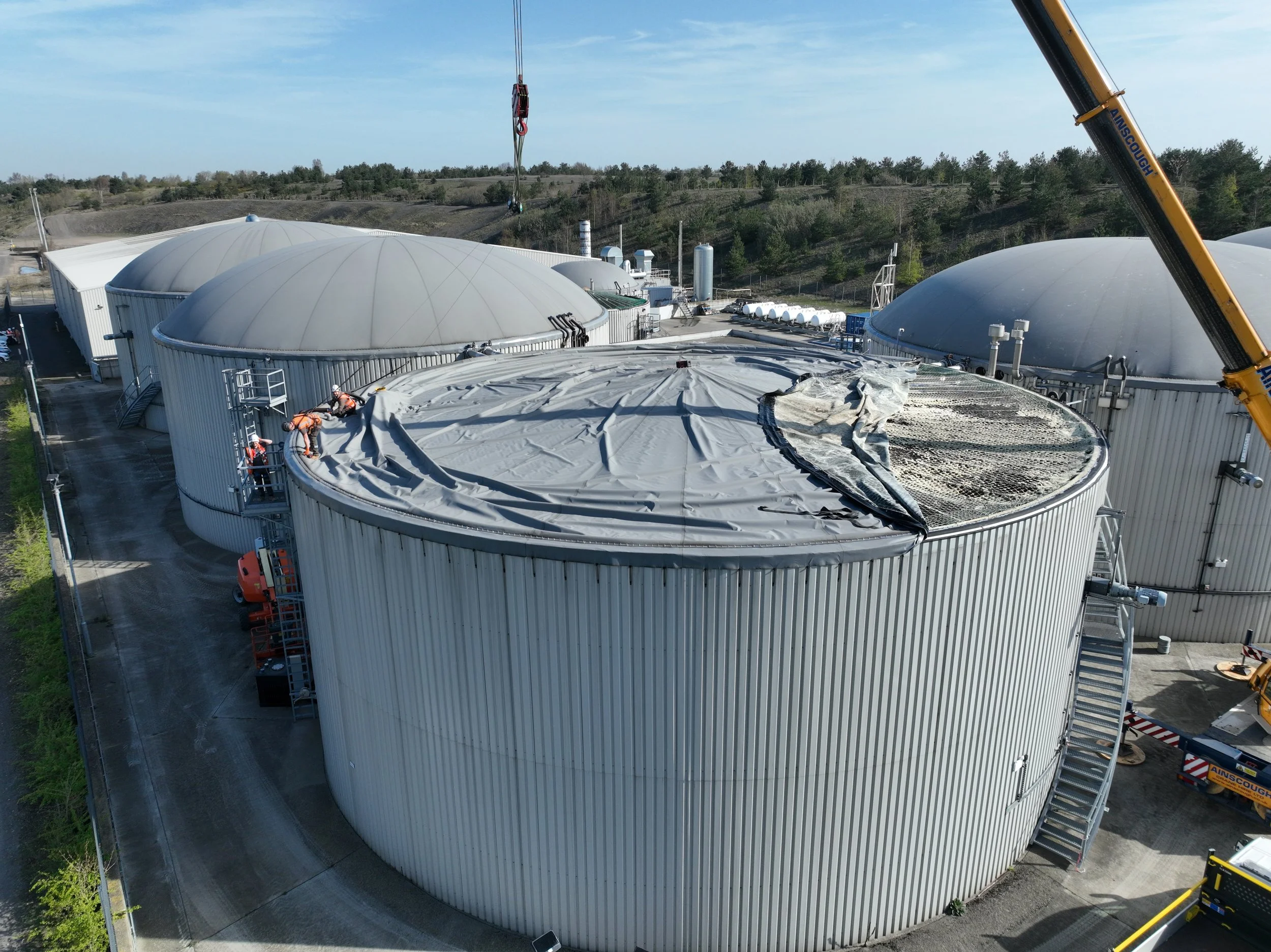
For projects operating under an environmental permit from the Environment Agency (in England), commissioning activities are regulated. Waste acceptance procedures, trial run requirements under permit conditions, and the transition from construction to operational compliance all need to be addressed in the commissioning plan and reflected in the EPC contract scope.
Standard contract forms used in the UK for biogas and AD EPC projects include:
FIDIC (Fédération Internationale des Ingénieurs-Conseils) Silver and Yellow Books
NEC4 (the New Engineering Contract suite), increasingly favoured for its collaborative approach and proactive programme management
IChemE (Institution of Chemical Engineers) forms, commonly used for processing plant work
Which form is used typically comes down to lender preference, the procurement approach, and the background of the EPC contractor. Each form takes a different approach to risk allocation, change management, and dispute resolution.
Commercial clarity: getting your EPC contract right
The best EPC deals are easy to read. Ambiguity breeds disputes; clarity creates momentum. Focus on five areas:
Performance guarantees. Define net output (MWh/yr or Nm³/h at a specified methane percentage), availability, parasitic loads, and emissions. Link the test method to the guarantee so there is no argument later.
Design basis. Freeze PFDs/P&IDs, general arrangements, and safety studies before price is locked. Capture ATEX zoning and DSEAR compliance in the scope. Publish an interface matrix that says exactly who owns civils, utilities, fencing, landscaping and the grid or gas route.
Programme and milestones. Tie milestone payments to hard deliverables: planning consent, accepted grid offer, FAT/SAT passed, provisional acceptance, performance passed. Include genuine LDs for delay and under‑performance with caps that still motivate performance.
Quality and maintainability. Require maintainable layouts, lifting points, isolation valves and spare parts philosophies. Agree documentation standards for drawings, data sheets, and the asset register.
Handover and aftercare. Insist on operator training, a preventive maintenance plan, recommended spares, and options for LTSA/O&M in years 1–5 with KPIs and reporting.
Even with EPC, appoint an independent Owner’s Engineer to review designs, sit in on HAZOPs, witness key tests and validate performance. It pays for itself the moment a drawing clash or process risk is caught early. For tailored support, contact one of our team at BioConsult for more information.
How to compare bids without getting lost in the detail
A structured evaluation keeps proposals comparable and stops presentations from dazzling you into poor choices. Use a weighted matrix and score against the same evidence for each bidder.
| Criteria | Weight | What to look for |
|---|---|---|
| Technical compliance and process risk | 25% | Mass balance credibility, reference plants on similar feedstocks, clear ATEX/DSEAR approach |
| Guarantees and test methods | 15% | Realistic KPIs with transparent test protocol, parasitic loads explicit |
| Price and terms | 20% | Lump sum clarity, indexation rules, LD structure, warranty periods |
| Programme and team | 15% | Gantt realism, delivery risk register, CVs of named site manager and commissioning lead |
| Grid/gas and permitting support | 10% | Evidence of DNO/GDN engagement, planning success on analogous sites |
| Warranty, LDs and risk transfer | 10% | Caps that still bite, defect response times, spares strategy |
| O&M, training and digital | 5% | SCADA philosophy, data ownership, training hours, CMMS handover |
What are the common problems in AD EPC contracts, and why do they happen?
The history of AD project delivery in the UK includes some difficult outcomes. Developers have gone bankrupt. Plants have underperformed against expectations. Digestate management problems have created compliance headaches. Sites have been sold or mothballed before reaching their potential.
Understanding what has gone wrong for others is useful when structuring a new project. Common sources of difficulty include:
Feedstock assumptions that do not hold in practice
If the contract is built around a feedstock composition that the supply chain cannot consistently deliver, performance guarantees become difficult to enforce and project economics can deteriorate quickly.
Unclear liability at the interface between the EPC contractor and technology suppliers.
When the main contractor and a specialist technology provider (for example, a biogas upgrading system manufacturer) each have separate agreements with the owner, disputes about integrated system performance can leave the owner caught between two parties.
Inadequate commissioning provisions
Commissioning an AD plant takes time. Biological processes need to establish and stabilise. A contract that does not allow for adequate ramp-up time, or that applies performance penalties before the biology has settled, creates conflict and can mask genuine performance issues.
Underspecified digestate and effluent provisions
Digestate management is often treated as an afterthought in early-stage contracting. Quality, storage, transport, and land spreading all carry regulatory and cost implications. If the EPC contract does not address these clearly, disagreements arise later.
Insufficient due diligence on the contractor.
Not all EPC contractors in the AD sector have the same track record, financial strength, or subcontractor relationships. Checking these before awarding a contract is essential.
An EPC contract is the foundation on which a biogas or AD project is built. Getting the structure right, with clear performance guarantees, properly calibrated liquidated damages, and a well-defined scope, reduces risk for owners, satisfies lenders, and gives a project the best chance of delivering what the business case requires.
The UK's pipeline of new AD capacity is growing. With the GGSS open to applications, the commissioning deadline extended to 2030, and mandatory food waste collections now driving new feedstock availability, development activity is increasing. Projects that are well contracted will be better placed to perform through construction, commissioning, and into long-term operation.
Ready to explore your options?
If you are developing or investing in a biogas or AD project and want an independent technical view of your EPC contract, commissioning plan, or performance guarantees, the team at BioConstruct NewEnergy and BioConsult can help. We work with developers, operators, and lenders across the UK and Europe at every stage of project delivery. Get in touch with the team and we will be happy to talk through what your project needs.
