
AD and Biogas Insurance Risk Engineering for Insurers and Brokers
BIOCON Technical Services is a named engineering partner for insurers and brokers covering anaerobic digestion, biogas, biomethane and waste risks. We carry out pre-renewal risk surveys, score risk consistently across a portfolio and give underwriters a clear technical narrative for referral and pricing, from the first survey through every renewal that follows.

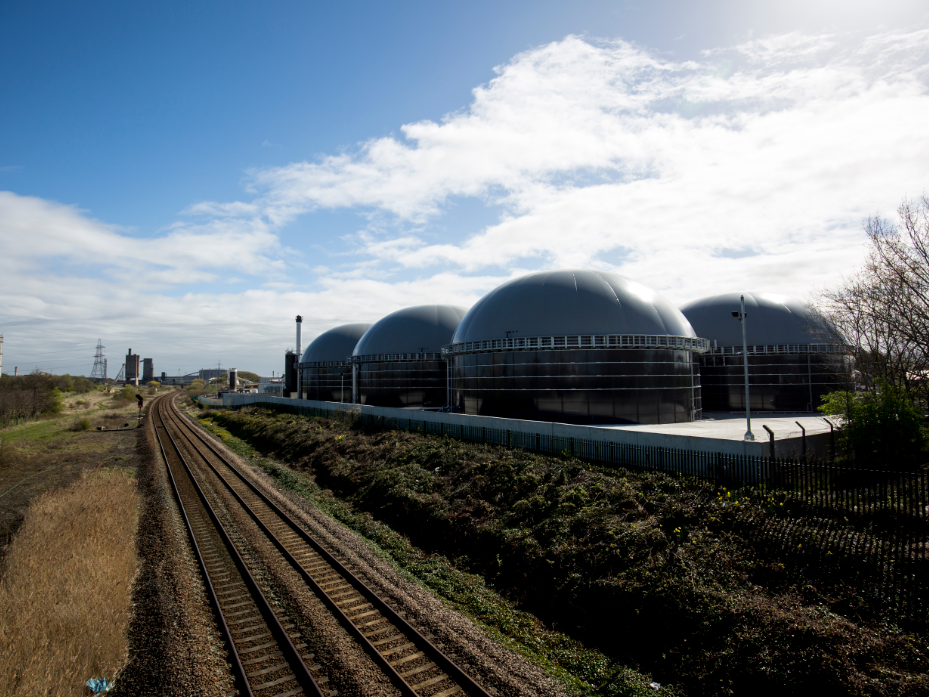
Why is AD and biogas risk hard to underwrite?
AD and biogas plants are a small, technically dense class. More than 750 AD plants now operate in the UK, yet the insurance market for them remains limited. Survey reports vary widely in scope and format, which makes sites hard to compare and renewals hard to price.
The exposure is also concentrated. A single component, such as a digester mixer, a CHP engine or a membrane skid, can take a plant offline for months while parts are sourced and the biology recovers. That is why Marsh recommends a business interruption indemnity period of at least 24 months for AD plants
What does BIOCON Group provide for insurers and brokers?
We give insurers a consistent technical view of AD risk across a book of business, and we give brokers the engineering evidence to present a client's risk well and improve it before renewal. Both get a single point of contact who already knows the sites.
For Insurers
Specialist risk engineering surveys for AD, biogas, biomethane and waste sites
Portfolio-level risk scoring on one consistent method
Technical input to underwriting referrals
Ongoing technical support when a claim arises
Continuity of engineer across the policyholder relationship
For Brokers
Pre-renewal risk reviews that strengthen the presentation to market
Costed risk-improvement plans for your clients
Portfolio intelligence across an AD and biomethane book
A technical partner to bring into new business conversations
How does BIOCON support the policy lifecycle?
We support a policy from the first survey to the next renewal and beyond. Each stage builds on the last, using the same method and, wherever possible, the same engineer, so risk improvement is measured against a fixed baseline.
A named engineer, not a rotating panel
When a policyholder or portfolio is surveyed over successive renewals, we aim to keep the same engineer and the same scoring method. Risk improvement is then measured against a consistent baseline, and site knowledge carries forward instead of being rebuilt at every survey.
For an underwriter, that means a renewal report that explains what has changed, not a fresh report that has to be read from scratch. For a broker, it means a technical contact who already knows the client's plant when a question comes up mid-term.

Reviewing a portfolio, or preparing a renewal?
Tell us about the sites, the book or the renewal date, and we'll recommend where to start.
Dealing with a loss?
Instruct BIOCON Group on a claim

What does an ADRisk360 survey tell an underwriter?
ADRisk360 is our standardised risk survey for AD and biogas plants. It shows where the risk on a site sits, what the policyholder should fix before renewal and how long the plant would be down after a major failure. Every site is scored the same way, so you can compare risk across a portfolio and from one renewal to the next.
Most insurers and brokers start with Level 1, the Insurance Risk Survey.
How can insurers and brokers instruct BIOCON?
Ad-hoc instruction
A single survey or technical question, instructed as needed. A good way to start, or to test the method on one site
Panel or framework appointment
An ongoing appointment as a named technical partner for a defined book of AD or biomethane business, with the same engineer and reporting format across renewals.
What to send us
The site name and location, the operator, the renewal date, the insured values or cover in place if you can share them, any previous survey reports and recommendations, and the level of survey you have in mind. If you are not sure of the level, tell us the purpose and we'll recommend one.
Frequently asked questions
-
A biogas risk engineer surveys an AD or biogas plant and explains the risk in underwriting terms. That means identifying what could fail, how a failure would affect gas production and the rest of the process, how long recovery would take and which improvements matter most. BIOCON presents this as a risk score, prioritised actions and a business interruption assessment.
-
A pre-renewal risk survey is an engineering review of an AD plant carried out before the policy renews. It gives the insurer an up-to-date view of the site's condition, hazards and business interruption exposure, and gives the policyholder time to act on the priority recommendations. At BIOCON this is an ADRisk360 Level 1 Insurance Risk Survey.
-
A broker can commission a pre-renewal risk review so the client goes to market with independent engineering evidence, not just a completed proposal form. The review shows the site's risk score, what has already been improved and a costed plan for what is outstanding, which helps underwriters understand the risk and reduces the questions that slow a placement down.
-
Yes, if every site is surveyed the same way. ADRisk360 uses the same five risk categories, scoring and outputs on every site, so insurers can compare risk site to site across a book of AD and biomethane business, and year to year at each renewal. Keeping the same engineer across cycles makes the comparison more reliable.
-
A general surveyor checks whether individual items are compliant. An AD specialist also traces how a fault moves through the process, from a failed mixer to falling gas production, a long outage and a business interruption loss. BIOCON Group builds, operates and maintains AD plants, so we assess risk in the context the plant actually runs in.
-
Book the survey early enough for the report to reach the underwriter before renewal terms are set, and ideally early enough for the policyholder to act on the top risk actions first. Tell us the renewal date when you get in touch and we'll plan the survey timing around it.
-
No. Statutory examinations under PSSR, LOLER and similar regimes confirm whether individual items are compliant, and they are still required. BIOCON's risk engineering reviews that compliance as one input, then assesses how the whole plant could fail, how long recovery would take and which actions reduce the risk most. We complement statutory inspection networks.
-
BIOCON Technical Services can verify close-out of risk recommendations. If BioContractors carries out the work, Technical Services verifies it. Where an insurer's governance requires separation between the party doing the work and the party verifying it, Technical Services operates independently of the rest of BIOCON Group.
Connect with us
Give your AD book a consistent technical view
Whether you are pricing a renewal, presenting a client to market or reviewing a whole portfolio, we'll give you one method, one score and a clear list of what to fix first. Tell us about the sites and the renewal date, and we'll recommend where to start.